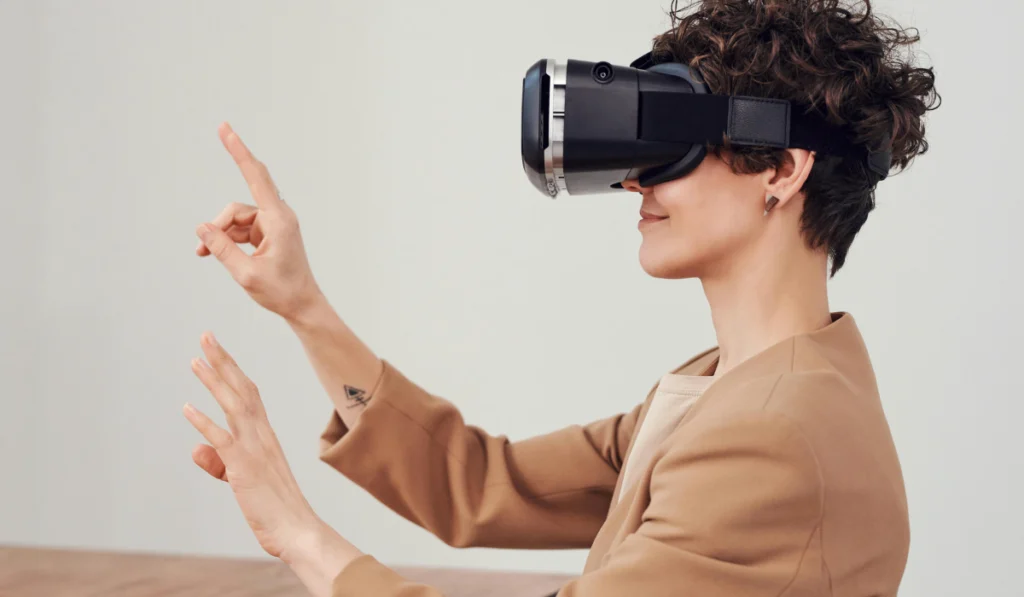
Imagine a world where your classroom is not confined to four walls, where your doctor's visit doesn't require you to leave your house, and where designing your dream home is as immersive as living in it. Welcome to the burgeoning realm of Augmented Reality (AR) and Virtual Reality (VR), technologies that are swiftly moving beyond their gaming roots to revolutionize education, healthcare, and design. As these technologies become more integrated into everyday life, they offer innovative ways to engage, educate, and even heal. Yet, there are challenges to overcome, such as the pesky motion sickness and the hefty price tags that accompany these devices.
A Class Apart: AR/VR in Education
In the realm of education, AR and VR are reshaping how students interact with information. Imagine students witnessing the fall of the Roman Empire right in their classroom or performing complex chemical reactions without the hazardous materials. These technologies provide a safe, immersive, and interactive learning environment that enhances understanding and retention. According to Mintel's Tech Trends Report, there is a significant interest in integrating AR/VR into educational settings, particularly to foster a more engaging learning experience.
Dr. Emily Zhao, an education technologist at Stanford, notes, "AR and VR have the potential to democratize education by providing equal access to high-quality, interactive learning experiences, regardless of a student's geographical location."
Healing in High Definition: AR/VR in Healthcare
The healthcare industry is also catching the AR/VR wave, offering groundbreaking applications from surgical simulations to mental health therapy. For instance, medical students can practice surgeries in a risk-free virtual environment, honing their skills without the pressure of a live operation. Moreover, VR therapy is becoming an effective treatment for phobias and PTSD by gradually exposing patients to their fears in a controlled space.
According to a report by Gartner, these applications not only enhance medical training but also support patient treatment plans. "We're seeing a shift where VR is no longer just a novelty but a vital tool in patient care," says Dr. Mark Weston, a VR healthcare consultant.

Designing the Future: AR/VR in Design and Architecture
In design and architecture, AR and VR have become indispensable tools for visualization and client presentations. These technologies allow architects and designers to create and modify structures in a 3D space, offering a more comprehensive view of how a project will look and function. Clients can don a VR headset and walk through their future home, providing feedback before any physical materials are used.
The US Tech Trends Report highlights that this capability not only reduces time and costs but significantly enhances client satisfaction due to the immersive nature of the process. "The ability to visualize and interact with a design in a virtual space before it's built is transformative," states architect Lisa Kim from New York's renowned design firm, Skidmore, Owings & Merrill.
Tackling the Hurdles
While the potential of AR and VR is vast, challenges such as high costs and user discomfort, like motion sickness, still hinder widespread adoption. A survey by Mintel found that motion sickness affects 25% of AR/VR users, which can deter prolonged usage. Additionally, the high price point for quality VR headsets remains a barrier for many potential users.
However, as technology advances and becomes more affordable, these hurdles are expected to diminish. Companies such as Meta and Apple are investing heavily in making these technologies more user-friendly and cost-effective.
The Road Ahead
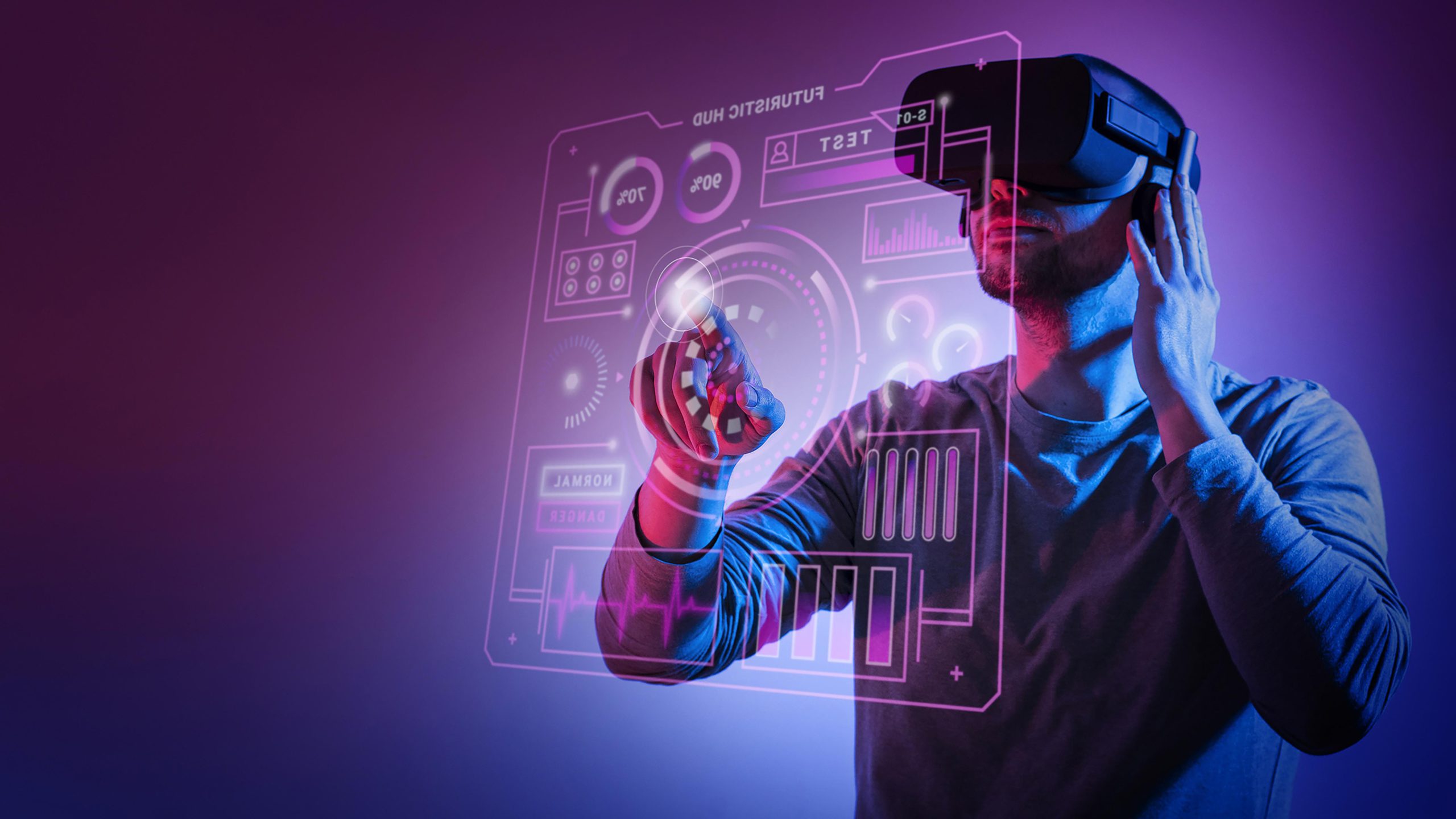
The future of AR/VR seems promising as these technologies continue to evolve and find new applications. As more industries recognize the value of immersive experiences, AR/VR is poised to become a staple in daily life. By addressing current challenges and focusing on practical applications, AR/VR can transcend its gaming origins to become essential tools in education, healthcare, and design.
As Dr. Zhao puts it, "We're at the cusp of an AR/VR revolution that will redefine how we learn, heal, and create. It's an exciting time to witness these changes that have the potential to improve lives globally."
In conclusion, while AR and VR continue to face challenges, their potential to transform industries is undeniable. By focusing on real-world applications and user accessibility, these technologies are set to become more than just gaming novelties—they're the next frontier in technological innovation.