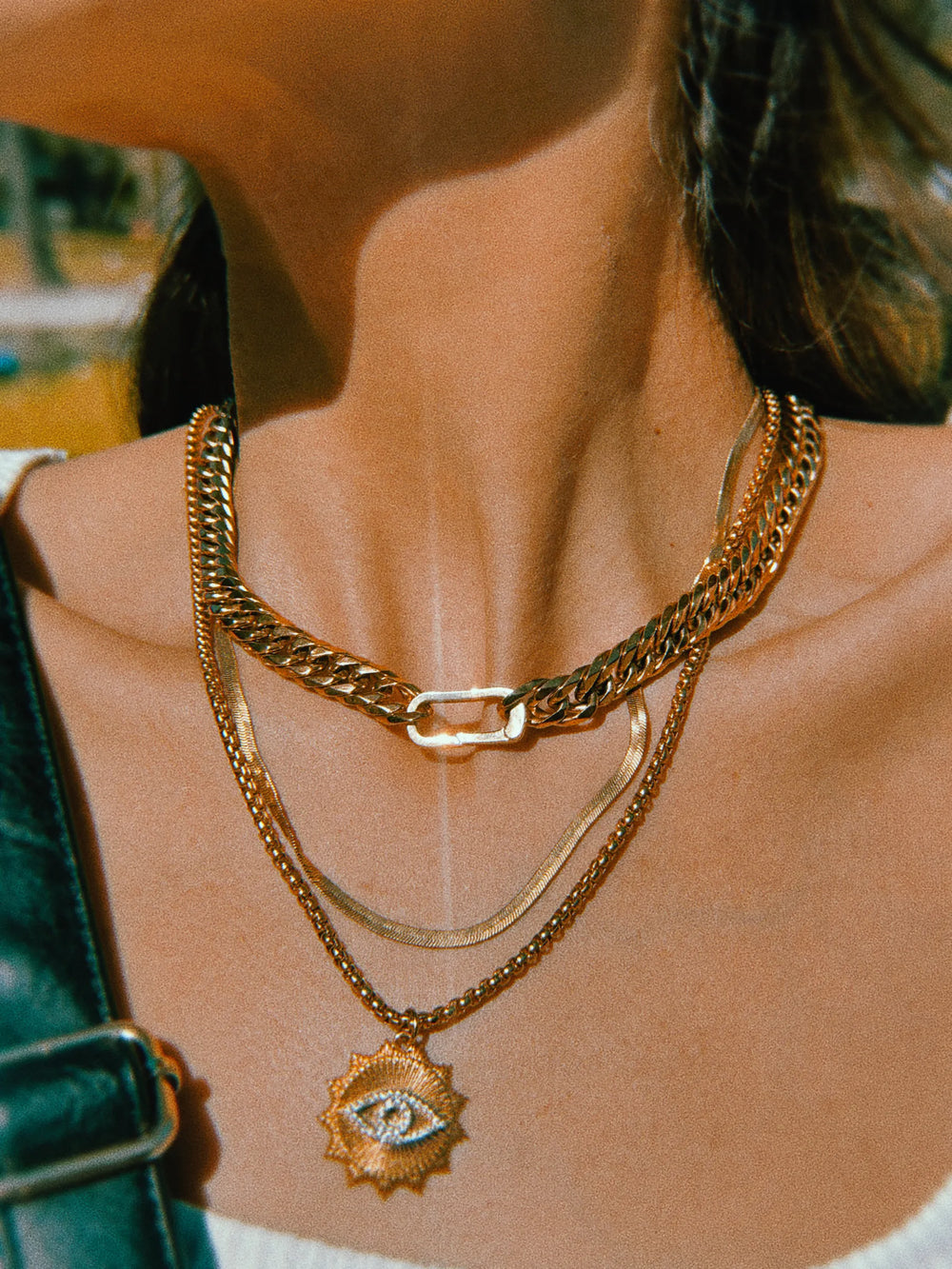
In a world where social media trends can shape entire industries, young Chinese consumers are turning heads by transforming gold bars into bespoke jewelry. This movement is not just a fleeting fad but a viral sensation that has captivated millions. With gold prices on the rise, these DIY jewelry enthusiasts are merging tradition with modernity, creating a cultural phenomenon that's as shiny as it is symbolic.
A Modern Gold Rush
Young Chinese consumers are setting social media ablaze by melting down gold bars and heirlooms to craft custom jewelry pieces. This isn't just about flaunting wealth; it's about personal expression and reclaiming cultural heritage. The trend, often dubbed as "Gold Rush 2.0," has amassed billions of views on platforms like Douyin (China's TikTok) and Weibo, signaling a seismic shift in how the younger generation interacts with luxury and tradition.
The allure of gold is nothing new. It has been a symbol of wealth and status for centuries in China. However, this new wave of creativity is reshaping perceptions. It's about taking something old and revered and turning it into something uniquely personal. According to Jing Daily, this trend highlights a blend of generational values, where the past and present collide in a glittering display of individuality.
Why Now?
The timing of this trend is no coincidence. With gold prices soaring due to global economic uncertainties, young consumers see an opportunity to invest in a way that reflects their personalities. Gold’s value is steadfast, but these custom pieces offer a dynamic way to wear that value, quite literally, on one's sleeve—or neck, or wrist.
This trend also taps into a broader movement among Gen Z, who seek unique, personalized experiences over mass-produced luxury goods. It's about standing out in a world of fast fashion and replicable styles. By creating one-of-a-kind pieces, these young trendsetters are making a statement, not just about what they wear, but about who they are.
The Process
Transforming gold bars into jewelry is no simple task. It involves skill, precision, and a dash of creativity. Many young consumers start by purchasing gold bars or repurposing family heirlooms. They then collaborate with local artisans or DIY the process themselves, melting down the gold and crafting pieces that speak to their personal style and story.
Social media plays a crucial role in this process. Platforms like Douyin are flooded with videos showcasing each step of the transformation, from melting to molding to the final reveal. These videos not only demystify the crafting process but also inspire others to try their hand at custom jewelry making. The hashtag #GoldDIY has become a rallying cry for those looking to join the movement.

Cultural Resonance
This trend is more than just a viral moment; it's a cultural renaissance. For many young Chinese, this is a way to reconnect with their heritage while also setting their own path. By repurposing heirlooms, they are honoring their ancestors while creating something that feels relevant to their lives today.
This movement resonates deeply in a society where family and tradition hold significant importance. It's a way for the younger generation to blend respect for the past with a forward-thinking approach to personal style. The jewelry pieces become more than accessories; they are stories, legacies, and bridges between generations.
Economic Implications
The economic impact of this trend extends beyond individual consumers. It’s fueling a mini-revolution in the jewelry industry, with artisans and small businesses thriving on the demand for custom work. This demand is also pushing traditional jewelers to innovate and offer more personalized services.
Moreover, it’s a vivid example of how consumer behavior can drive market trends. As more young people invest in gold for creative purposes, the market dynamics shift, influencing everything from pricing to supply chains. It’s a testament to the power of consumer-driven movements in shaping industries.
The Future of Gold Jewelry
As this trend continues to gain traction, it poses interesting questions about the future of luxury and personalization. Will other markets follow suit, and how will traditional luxury brands adapt? The success of this trend in China could well inspire similar movements elsewhere, challenging the conventional norms of luxury consumption.
Moreover, as technology continues to evolve, we might see even more innovative ways to personalize precious metals. Imagine 3D printing with gold or using virtual reality to design custom pieces before they’re crafted. The possibilities are as limitless as they are exciting.
Conclusion
The trend of young Chinese consumers transforming gold bars into custom jewelry is a fascinating blend of culture, economy, and personal expression. It’s a testament to the power of youth in driving change and innovation. As this movement continues to glitter across social media and beyond, it offers a glimpse into a future where luxury is not just about opulence, but about meaning, creativity, and connection. Whether it’s a fleeting trend or a permanent shift, one thing is clear: this new gold rush is about more than just the metal; it's about the stories we choose to tell through the things we wear.