
Imagine cruising the open sea when suddenly, you spot a group of orcas sporting what looks like... hats? No, you're not hallucinating. These majestic creatures, often dubbed the "wolves of the sea," have been observed engaging in what can only be described as orca fashion trends and teenage antics. Scientists are abuzz with this quirky development, which could redefine our understanding of animal behavior and intelligence.
The Fashion-Forward Orcas
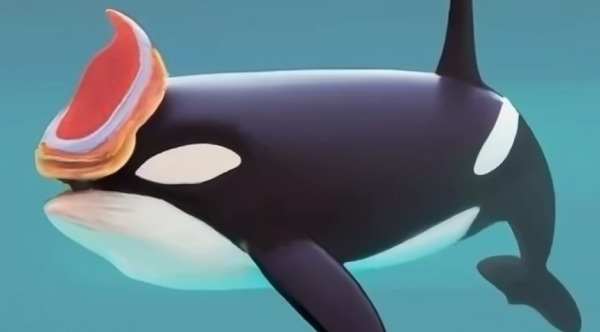
Orcas, or killer whales, are known for their complex social structures and communication skills. But recent observations have added a new layer to their multifaceted personalities. These oceanic icons have been seen balancing salmon on their heads like hats, a behavior that has intrigued both scientists and casual observers alike.
This unexpected trend was first noted off the coast of Norway, where pods of orcas were seen flaunting their new headgear. While researchers aren't entirely sure why they're doing this, they speculate that it could be a form of play or social bonding, not unlike how humans engage in fashion trends to express identity and foster connection within groups.
Teenage Antics and Social Dynamics
In addition to their newfound love for headwear, orcas have been observed engaging in what scientists describe as "teenage hooliganism." These behaviors include playful pushing, breaching, and even what appears to be surfing on waves created by large vessels. Such antics are reminiscent of teenage humans testing boundaries and exploring their social environments.
Marine biologist Dr. Ingrid Visser, who has studied orcas for over two decades, notes that these behaviors may be a way for younger orcas to learn important survival skills. "It's like a rite of passage," she explains. "These activities help them hone their hunting strategies, coordination, and social bonds within the pod."
Cognitive Marvels of the Deep
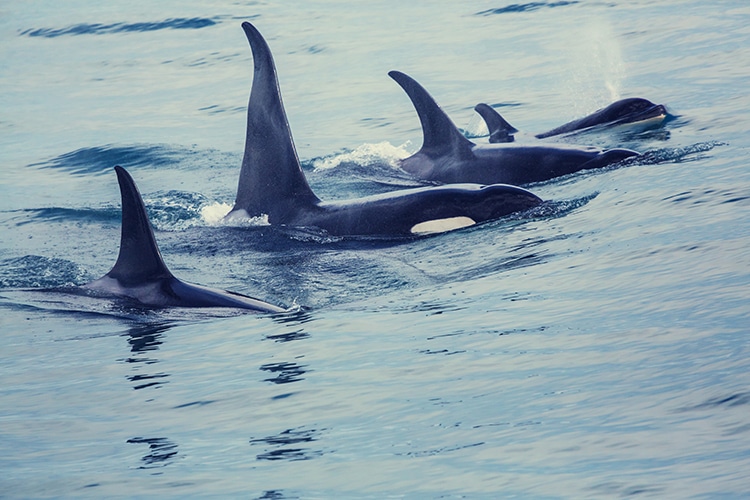
The orcas' penchant for fashion and playful behavior shines a light on their cognitive abilities, which are often compared to those of great apes and elephants. Orcas have large brains relative to their body size, and their neocortex—the part of the brain associated with problem-solving and social intelligence—is highly developed.
Dr. Lori Marino, a neuroscientist known for her work on cetacean intelligence, explains that these behaviors are indicative of the orcas' sophisticated mental faculties. "They have the ability to innovate and adapt, which is a hallmark of intelligence," she says. This ability to create and follow trends could suggest that orcas have a deeper understanding of their social world than previously thought.
Implications for Marine Conservation
The implications of these findings are significant. Understanding the social behaviors of orcas can inform conservation efforts by highlighting the importance of preserving their natural habitats and social structures. If orcas engage in activities akin to human culture, disrupting their environment could have profound effects on their well-being.
Conservationists argue that protecting the environments where these behaviors occur is crucial. "If we lose these pods, we lose not just the individuals, but their unique cultures and traditions," emphasizes Dr. Visser. This perspective aligns with the broader movement towards recognizing animals as sentient beings with cultures worth protecting.
The Viral Sensation
Naturally, the internet has taken a keen interest in these sartorially savvy cetaceans. Social media platforms are awash with videos and memes showcasing orcas with their salmon hats. Hashtags like #OrcaFashion and #KillerWhaleCatwalk are trending, capturing the imagination of millions worldwide.

What's Next for Our Oceanic Trendsetters?
As we continue to study these fascinating creatures, one thing is clear: orcas are far more than just apex predators. They are social, intelligent beings with rich cultural lives. The discovery of their fashion-forward behaviors and playful antics not only entertains but also challenges us to rethink our understanding of animal cognition and social structures.
This revelation invites further research into the cognitive and cultural lives of other marine species. If orcas can engage in such complex social activities, what about dolphins, or even the elusive giant squid? The ocean, it seems, is full of untold stories waiting to be uncovered.
In an era where viral trends often drive public discourse, the orcas' antics serve as a delightful reminder of the wonders of the natural world. As scientists continue to delve deeper into the lives of these aquatic trendsetters, the rest of us can sit back, enjoy the show, and maybe learn a thing or two about the importance of community, creativity, and perhaps a good hat.
For more on this fascinating story, check out the source article.