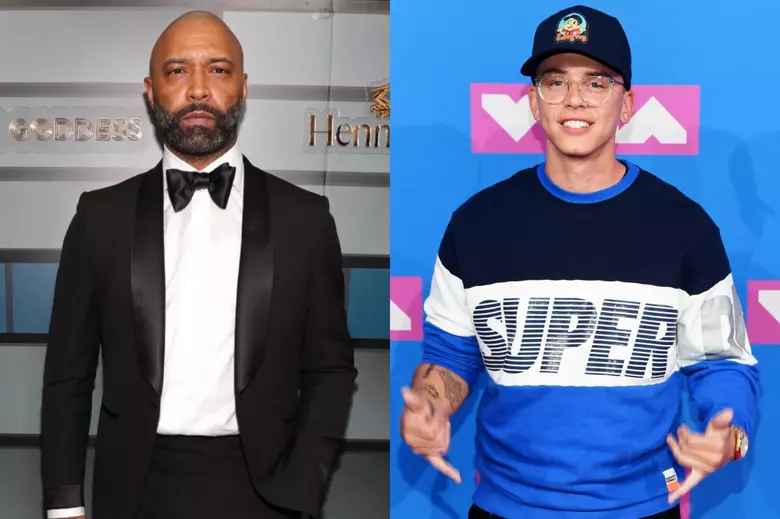
In the ever-buzzing world of the internet, where every moment can become an instant sensation, rapper and cultural commentator Joe Budden recently found himself the center of a viral storm. It all started with a seemingly innocuous basketball game, but like many things in the digital age, it quickly spiraled into a much larger spectacle, offering a glimpse into the intersection of celebrity culture and viral moments.
Earlier this month, a clip of Joe Budden playing basketball went viral, and the internet wasted no time in doing what it does best—turning the moment into an entire discourse. The clip, which showcased Budden's questionable skills on the court, became fodder for memes, jokes, and, as is often the case, a fair bit of roasting from the online community. It didn’t take long for the internet to label the event as the latest viral sensation, with Budden at its epicenter.

The social media uproar was swift and unforgiving. Platforms like Twitter and Instagram were flooded with comments and posts poking fun at Budden's basketball prowess—or lack thereof. The public's reaction was a mix of humor and critique, highlighting once again how the internet can amplify even the most mundane of moments into something much larger.
Budden, known for his unfiltered opinions and often being in the middle of online debates, responded to the roasting in his characteristic style. According to an article on HipHopDX, Budden addressed the situation by expressing his disappointment over the harshness of the public's reaction. "Y'all aren't kind," he remarked, pointing out the pressures that come with maintaining a public persona in today’s hyper-connected world.
This incident is a textbook example of the challenges celebrities face in the digital age. Every action, no matter how trivial, is subject to public scrutiny. The viral clip of Budden playing basketball underscores the fine line public figures walk when it comes to their private and public lives merging into one digital narrative.
The phenomenon of viral moments is not new, but what makes them increasingly significant is how they contribute to a celebrity's image and brand. For someone like Joe Budden, whose career has spanned music, podcasting, and cultural commentary, maintaining an image that resonates with fans while also protecting personal boundaries is a constant balancing act.
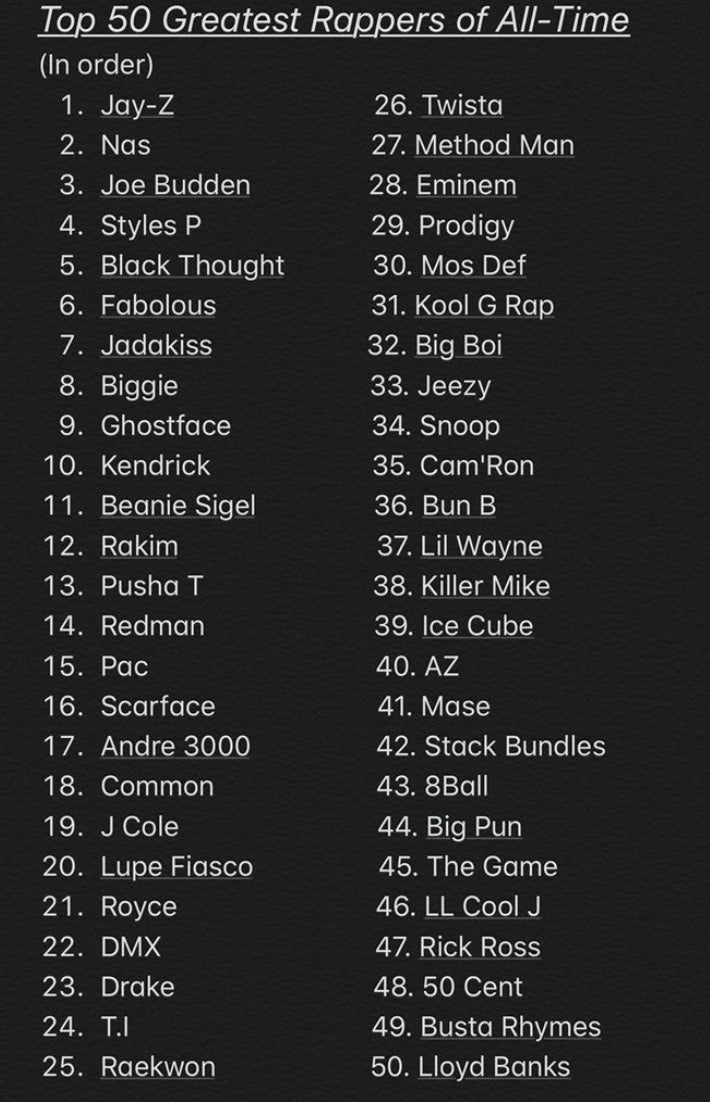
The broader implications of such viral incidents extend beyond just the individuals involved. They reflect a societal tendency to engage with, and often trivialize, the lives of public figures. This is fueled by the accessibility of social media and the cultural fascination with celebrity lifestyles. The dynamic between celebrities and their audiences has evolved, creating a space where personal moments are shared widely and interpreted through the lens of a public that feels a sense of ownership over these stories.
In Joe Budden's case, his response to the viral basketball clip serves as a reminder of the human element behind the screen. While the internet may be quick to roast and joke, it also provides an opportunity for dialogue about the impact of such viral moments on mental health and personal well-being.
As we continue to navigate a world where the boundary between personal and public is increasingly blurred, the conversation around how we engage with viral content becomes more important. It's not just about the laughs and the memes—it's about understanding the real people behind these moments and recognizing the pressures they face.
Ultimately, Joe Budden's viral basketball game is more than just a clip of questionable athletic ability. It's a snapshot of the digital age, a reflection of our collective engagement with celebrity culture, and a testament to the power of social media in shaping narratives, for better or worse.
The story of Joe Budden and his viral basketball game is a reminder that in the world of the internet, nothing is too small to escape the potential for virality. It's a world where moments are magnified, and where every joke, every meme, and every comment contributes to the larger conversation about fame, identity, and the ever-evolving landscape of digital culture.