
Trade tensions. Two words that have become synonymous with the ongoing economic challenges facing major global economies in recent years. As countries grapple with the complexities of international trade, reciprocal tariffs have emerged as a contentious issue, reshaping the dynamics of global markets. While tariffs have long been a tool in the economic playbook, their reciprocal nature has intensified trade disputes, making waves across industries and economies worldwide.
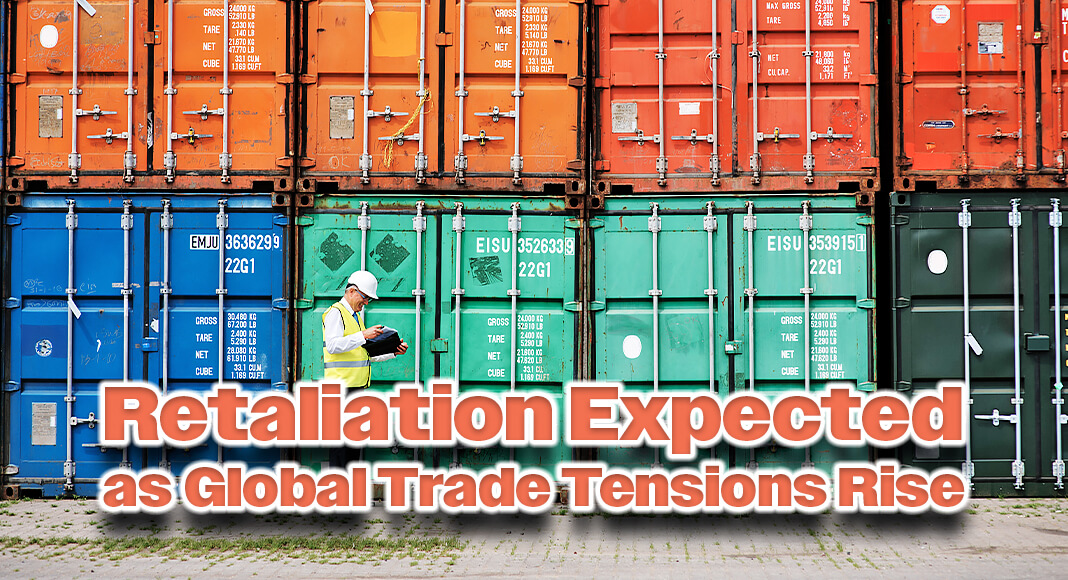
The Tariff Tug-of-War
At the heart of this economic saga is the United States, a key player in the global market, and its ongoing trade tensions with various countries. The recent imposition of reciprocal tariffs has set off a chain reaction, affecting everything from agriculture to technology. The U.S., under its current administration, has taken a firm stance on protecting domestic industries, often citing national security and economic fairness as justifications for its actions.
The Financial Express recently highlighted the turmoil surrounding these tariffs, emphasizing the challenges faced by countries trying to navigate the choppy waters of trade relations with the U.S. For many, the imposition of reciprocal tariffs is seen as a double-edged sword. On one hand, they aim to level the playing field, but on the other, they risk escalating tensions further, leading to potential trade wars.
Industries in the Crossfire
The impact of these tariffs is deeply felt across various sectors, with agriculture being one of the hardest hit. U.S. farmers, for instance, have found themselves caught in the middle, as countries like China and the European Union retaliate with their own tariffs on American goods. This tit-for-tat strategy has led to decreased exports and increased costs, putting immense pressure on farmers already struggling with fluctuating market prices and unpredictable weather patterns.
In the tech world, companies are also feeling the heat. The semiconductor industry, which relies heavily on global supply chains, has faced significant disruptions. With tariffs driving up the cost of importing essential components, tech giants are forced to rethink their production strategies, often leading to increased prices for consumers.
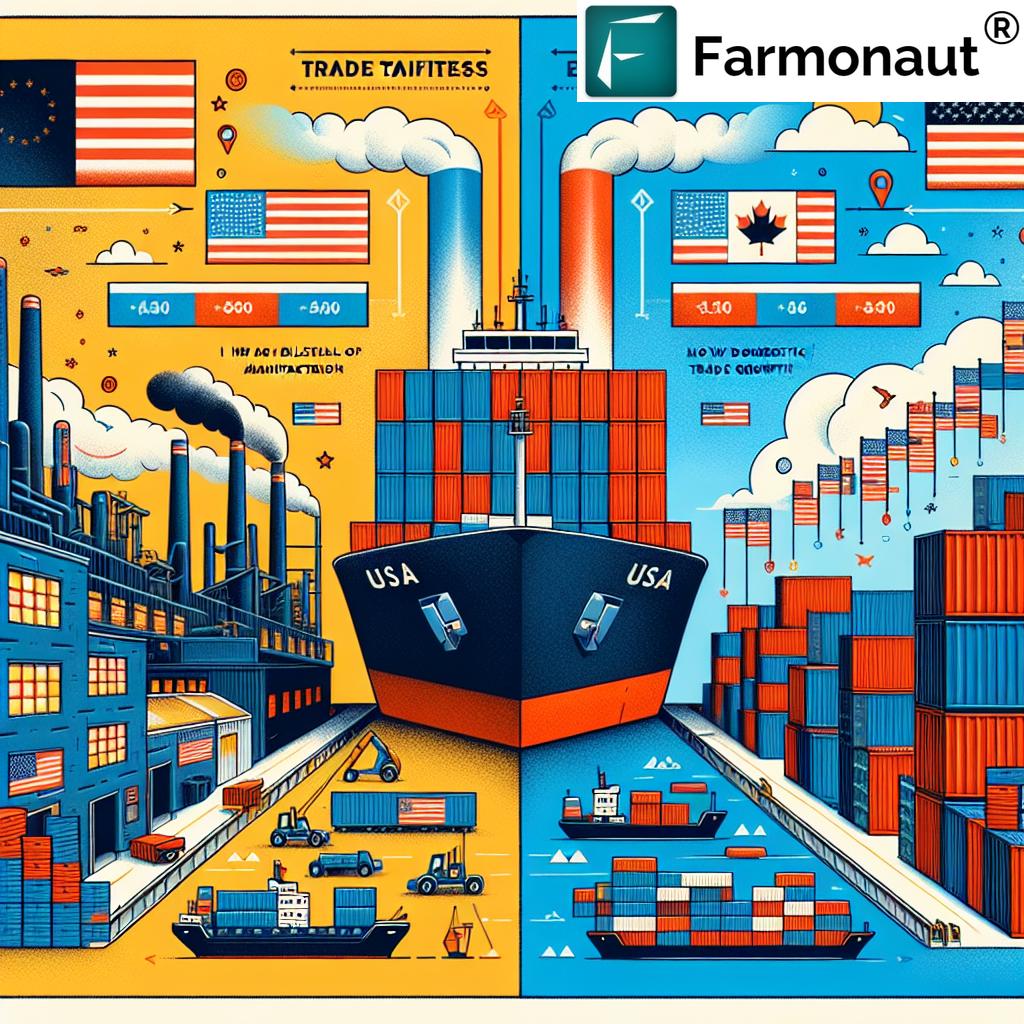
The Global Ripple Effect
The ripple effects of these trade tensions extend beyond the immediate industries involved. Economies around the world are grappling with the broader implications of a more protectionist trade environment. For emerging markets, the uncertainty surrounding trade policies poses significant risks. These economies often depend on exports to power growth, and any disruption in trade can lead to stalled economic progress.
Moreover, the rise in protectionism has sparked concerns about the future of global trade agreements. As countries prioritize national interests, the multilateral trading system that has governed international trade for decades faces potential upheaval. This shift could lead to a more fragmented global economy, where bilateral agreements replace broad-based trade deals.
Strategies for Navigating Turbulent Waters
Given the complexities of the current trade landscape, countries and companies alike are exploring strategies to mitigate the impact of reciprocal tariffs. Diversifying supply chains has become a key focus, as businesses seek to reduce their dependence on any single market. By sourcing materials from a broader range of countries, companies can cushion themselves against potential tariff shocks.
Diplomacy, too, plays a crucial role in managing trade tensions. Countries are increasingly turning to diplomatic channels to resolve disputes and negotiate more favorable trade terms. These efforts are essential to prevent trade disagreements from escalating into full-blown economic conflicts.
Looking Ahead: The Future of Trade
As the world watches the unfolding drama of reciprocal tariffs, the question remains: what does the future hold for international trade? While the current environment is fraught with challenges, there is also an opportunity for countries to rethink and reshape the global trade system. By focusing on collaboration and compromise, rather than confrontation, nations can work towards a more sustainable and equitable trade framework.
The road ahead is uncertain, but one thing is clear: the era of trade tensions and reciprocal tariffs is far from over. As economies continue to adapt to these new realities, the global market will undoubtedly undergo significant transformations. Whether these changes lead to more stable and prosperous trade relations remains to be seen.
In the meantime, businesses and governments must remain agile, ready to pivot strategies as the trade landscape continues to evolve. The ripple effects of the current turmoil will undoubtedly shape the future of global commerce, and those who can navigate this complex web of trade relations will be better positioned for success in the years to come.