
The Evolution of Internet Memes: From Simple Jokes to Cultural Phenomena
In the vibrant and ever-evolving landscape of digital culture, internet memes have emerged as powerful cultural markers, transcending their humble beginnings as mere jokes shared among friends. Today, memes are not only a means of entertainment but also serve as tools for political commentary, social connection, and even brand marketing. This transformation from light-hearted humor to significant cultural phenomena underscores the profound impact memes have on modern communication.

The Birth of Memes
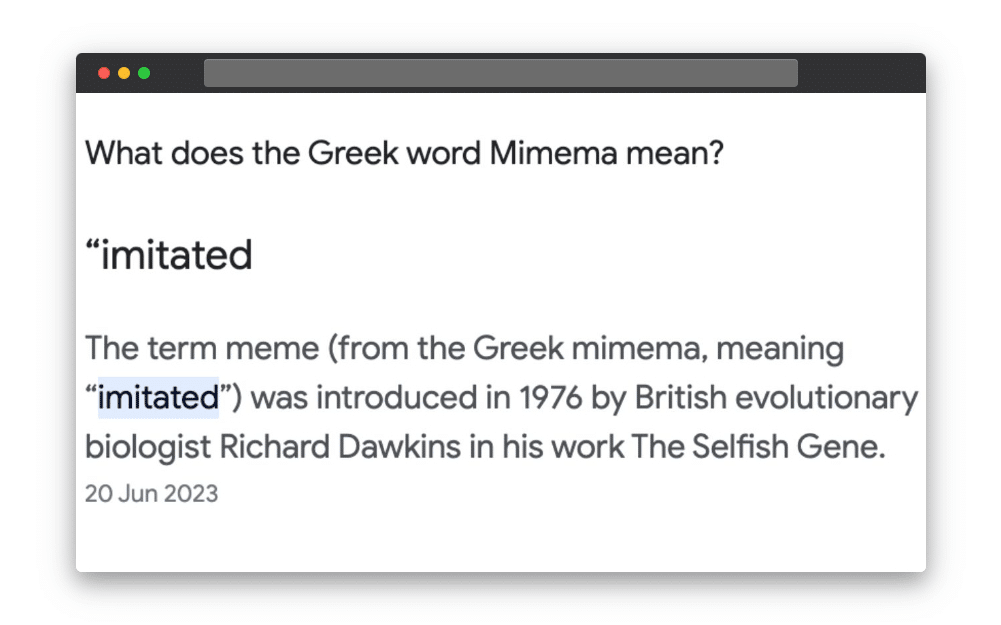
The term "meme" was coined by Richard Dawkins in his 1976 book "The Selfish Gene" to describe an idea, behavior, or style that spreads from person to person within a culture. However, the digital incarnation of memes, characterized by humorous images, videos, and text, began to take shape in the early days of the internet. Websites like Know Your Meme have been pivotal in documenting and analyzing these trends, tracing the origins and evolution of memes that capture the public imagination.
From Simple Jokes to Viral Trends
Initially, memes were simple jokes or catchphrases, often shared via email chains or early social media platforms. These early memes were frequently low-effort and relied heavily on cultural references that resonated with a niche audience. However, as social media platforms like Facebook, Twitter, and later Instagram and TikTok gained traction, memes evolved into sophisticated tools of communication that could spread virally in a matter of hours.
A prime example of a meme that gained rapid popularity is the "Lock the F--- In" format. This meme, which encourages focus and determination, showcases how characters from various media remind people to stay committed to their tasks. It started going viral on Twitter and quickly spread across other social platforms, illustrating the meme's potential to resonate with a broad audience and convey motivational messages in a relatable and humorous manner.
Memes as Cultural Phenomena
As memes became more prevalent, they began to reflect and influence cultural trends. They are now used extensively for political commentary, with creators using the format to critique politicians, policies, and social issues. For instance, during elections or political movements, memes can galvanize public opinion, serving as both a rallying cry and a form of protest.
Moreover, memes have become symbols of social connection. They encapsulate shared experiences and emotions, allowing users to express complex feelings succinctly and humorously. This shared language fosters a sense of community among internet users, bridging cultural and geographical divides.
The Role of Memes in Marketing
Recognizing the influence of memes, brands have started to incorporate them into their marketing strategies. Memes are an effective way to engage younger audiences, who are often the most active participants in meme culture. By leveraging popular meme formats or creating original content that aligns with viral trends, brands can enhance their relatability and visibility in the digital space.
For example, brands have used the "Down Boy, Arf" meme, derived from an Archie Comics panel, to create relatable content that resonates with their target audience. By tapping into existing meme formats, companies can capitalize on their viral potential to drive engagement and brand awareness.
Memes as Tools for Social Commentary
Memes have also become a powerful tool for social commentary. They allow creators to address serious topics in a way that is accessible and engaging. During the COVID-19 pandemic, for instance, memes about social distancing, mask-wearing, and quarantine life spread rapidly, providing a humorous outlet for collective anxieties and frustrations.
These memes not only entertained but also educated, conveying important public health messages in a format that was easy to understand and share. This demonstrates the potential of memes to influence social behavior and spark important conversations.
The Future of Memes
As digital communication continues to evolve, so too will the role of memes. They are likely to become even more embedded in our everyday lives, influencing not just how we communicate but also how we perceive and interact with the world around us. The adaptability and creativity of meme culture ensure its continued relevance in the digital age.
In conclusion, the journey of internet memes from simple jokes to cultural phenomena highlights their significance in contemporary society. They have become a lens through which we view and interpret the world, offering insights into cultural trends, social norms, and collective experiences. As we move forward, memes will undoubtedly continue to shape and be shaped by the digital landscape, reflecting the ever-changing tapestry of human communication.

For more on the evolution of memes and the latest viral trends, visit Know Your Meme and explore the fascinating world of digital culture.