Oropouche Virus: New Global Threats
As the world grapples with a host of emerging infectious diseases, the Oropouche virus has quietly begun to pose a significant threat to global health. Once a virus confined to specific regions, recent studies suggest that its reach is expanding, fueled by viral reassortment processes that may increase its transmissibility and severity.

Understanding the Oropouche Virus
The Oropouche virus (OROV) is an arbovirus transmitted primarily through the bite of infected midges, particularly Culicoides paraensis. Initially identified in Trinidad in 1955, it has since caused numerous outbreaks in South and Central America, affecting hundreds of thousands of people. Symptoms of Oropouche fever, the disease caused by the virus, include fever, headache, myalgia, and sometimes a rash, often resembling other arboviral infections like dengue fever.
Globalization of the Virus
Recent reports highlight that the Oropouche virus is no longer confined to its traditional geographic boundaries. Factors such as climate change, increased global travel, and urbanization have facilitated its spread to new regions. The virus's expansion is a vivid reminder of how interconnected our world has become, and how diseases can easily transcend borders.
News Medical recently underscored these developments, emphasizing that Oropouche's geographic spread is a growing concern for global health authorities. The virus's capacity to adapt and proliferate in varied environments necessitates urgent monitoring and response strategies.
The Role of Viral Reassortment
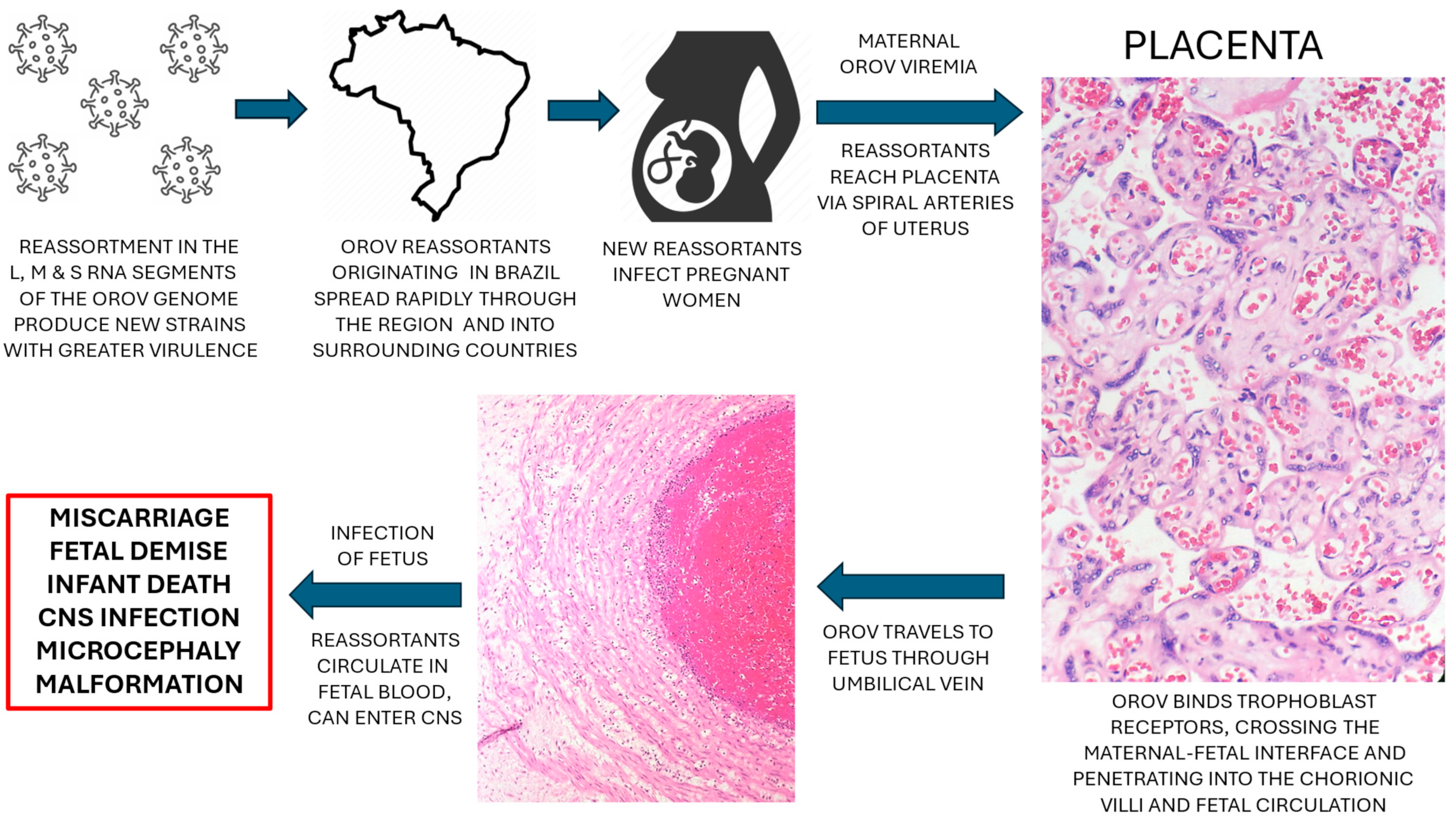
The phenomenon of viral reassortment has been identified as a key factor in the Oropouche virus's increasing threat. Reassortment occurs when viruses with segmented genomes, like OROV, exchange genetic material. This process can lead to the emergence of novel virus strains with enhanced virulence or transmissibility.
A recent study published in a medical preprint journal has indicated that the Oropouche virus is undergoing significant reassortment, raising alarms about its potential to cause more severe outbreaks in previously unaffected regions.
Implications for Public Health
The potential for the Oropouche virus to become more transmissible and severe due to reassortment poses significant challenges for public health systems worldwide. The virus's spread could overwhelm healthcare resources, particularly in regions with limited access to comprehensive medical care.
Public health authorities are urged to enhance surveillance efforts to detect and respond to outbreaks promptly. Collaboration between international health organizations, governments, and research institutions is crucial to develop effective vaccines and treatment protocols against this evolving threat.
Current Research and Future Directions
Ongoing research aims to understand the genetic mechanisms driving the Oropouche virus's reassortment and its implications for disease severity. Scientists are also working to develop diagnostic tools that can quickly identify Oropouche virus infections, which is critical for controlling outbreaks.
Efforts are underway to develop vaccines, although no licensed vaccine currently exists for Oropouche fever. The World Health Organization and other health entities are prioritizing research funding to accelerate vaccine development and ensure preparedness against potential pandemics involving OROV.
Conclusion
The spread of the Oropouche virus exemplifies the complex challenges of managing infectious diseases in a globalized world. As the virus continues to evolve, it is imperative for the international community to take proactive measures to mitigate its impact. Enhanced surveillance, research, and collaboration are essential components in the fight against this emerging global health threat.

The journey of the Oropouche virus from a regional affliction to a potential global menace underscores the need for vigilance and innovation in public health strategies. As researchers continue to unravel the complexities of viral reassortment and its implications, the lessons learned from OROV could inform broader efforts to combat other emerging infectious diseases in the future.