Exploring Uganda's Recent Ebola Case
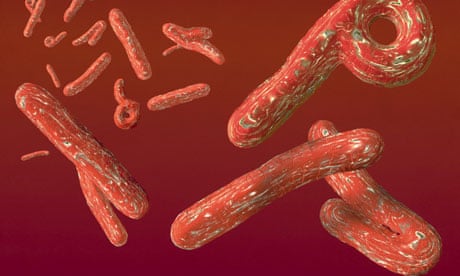
Uganda has recently confirmed a new case of Ebola, stirring concerns among health authorities and prompting immediate action to prevent a potential outbreak. The World Health Organization (WHO) and its partners are collaborating closely with the Ugandan government to strengthen and sustain control measures aimed at curbing the spread of the virus. This development highlights the persistent challenges faced by the region in managing viral outbreaks.

The New Ebola Case in Uganda
The confirmed case in Uganda was announced by the WHO, sparking immediate concern given the history of Ebola outbreaks in the region. Uganda, with its dense population and cross-border interactions, is particularly vulnerable to the rapid spread of infectious diseases like Ebola. The recent case underscores the necessity for vigilant monitoring and rapid response mechanisms to avert a widespread health crisis.
Measures to Contain the Outbreak
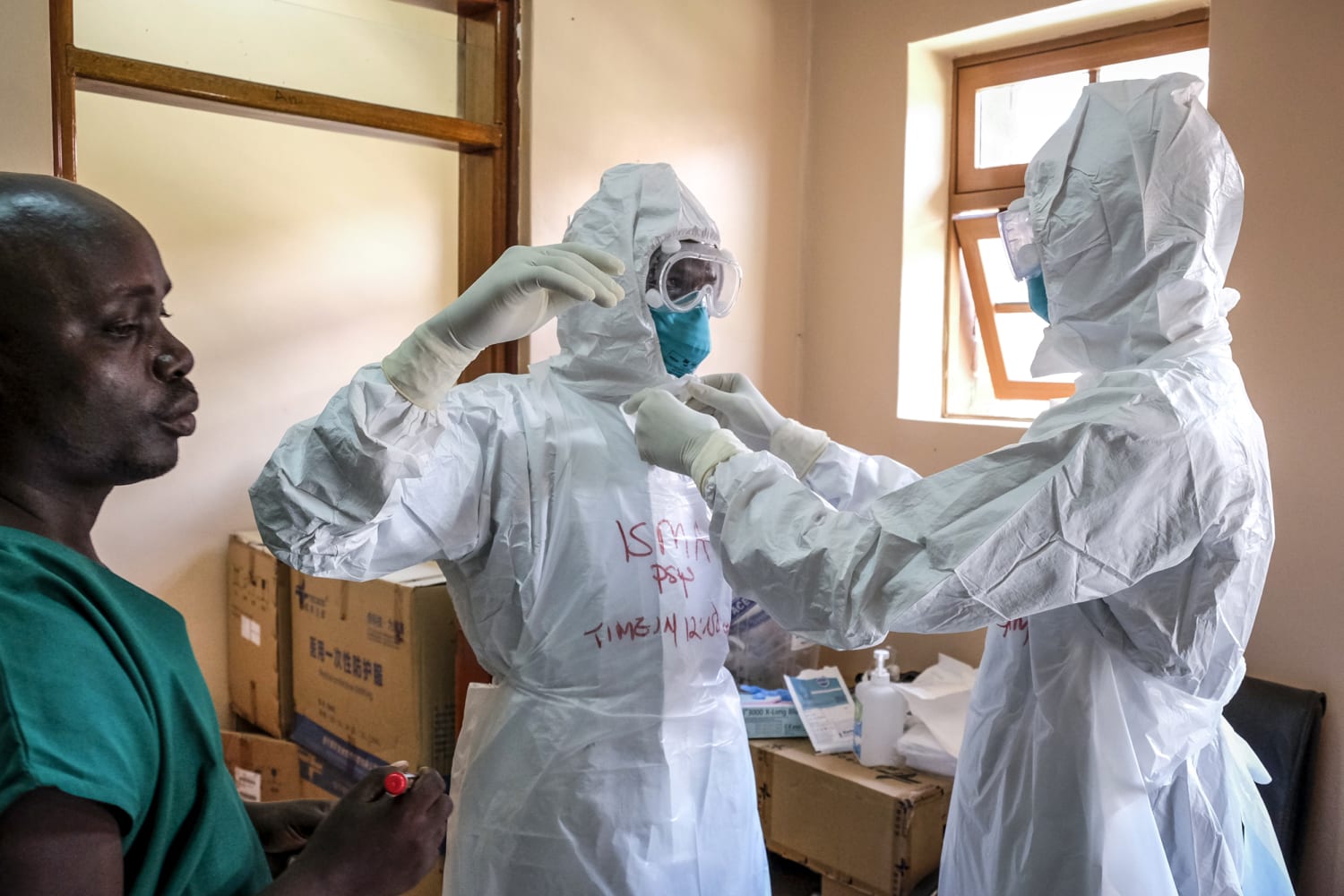
The Ugandan Ministry of Health, along with WHO and other international health bodies, is implementing a series of measures to contain the virus. These include:
-
Enhanced Surveillance: Health officials are ramping up surveillance efforts to quickly identify and isolate any new cases. This involves monitoring high-risk areas and ensuring swift reporting and testing of suspected cases.
-
Community Engagement: Educating the public about the symptoms of Ebola and prevention strategies is crucial. Community leaders and health workers are being mobilized to disseminate information and combat misinformation, which can hinder control efforts.
-
Vaccination Campaigns: While no specific vaccine has been announced for this outbreak, past campaigns have used available vaccines effectively. Health authorities are prepared to deploy vaccines if necessary to protect frontline workers and high-risk populations.
-
International Collaboration: The response to the Ebola case is being coordinated with international partners to ensure resources and expertise are available. This collaborative effort is essential in managing border controls and ensuring that preventive measures are harmonized across neighboring countries.

The Challenges Ahead
Containing Ebola in Uganda poses significant challenges. The country's healthcare system, though improving, still faces resource constraints that can impede effective response to outbreaks. Additionally, the mobility of populations across borders complicates control measures, necessitating cross-border cooperation and communication.
Cultural factors also play a role in the spread of Ebola. Traditional burial practices, which involve close contact with the deceased, can increase transmission risks. Health officials must navigate these cultural sensitivities while implementing measures to prevent the virus's spread.
The Importance of Preparedness
This recent case serves as a stark reminder of the need for ongoing preparedness in regions prone to such outbreaks. The global health community must remain vigilant, continuing to invest in research, healthcare infrastructure, and education to mitigate the impact of Ebola and other infectious diseases.
Preparedness also involves addressing the socio-economic factors that exacerbate outbreaks. Poverty, lack of access to healthcare, and inadequate infrastructure can all contribute to the rapid spread of infectious diseases. Addressing these underlying issues is crucial for long-term prevention and health security.
Conclusion
The confirmed Ebola case in Uganda is a critical event that underscores the ongoing threat posed by viral outbreaks in the region. While measures are in place to contain the virus, continued vigilance and international cooperation are essential to prevent a larger epidemic. The situation highlights the importance of robust healthcare systems, community engagement, and global collaboration in managing public health threats. As the world watches closely, the efforts in Uganda could provide valuable lessons in handling infectious disease outbreaks effectively.
For more detailed updates on the situation, follow the World Health Organization on X.