Listeriosis: A Threat Across Species
In a world where food safety is paramount, listeriosis emerges as a formidable adversary, affecting both human and animal populations. A recent publication in the Zoonoses journal underscores the gravity of this food-borne disease, calling for increased awareness and stronger preventive measures to curb its spread.
Understanding Listeriosis
Listeriosis is a serious infection primarily caused by eating food contaminated with the bacterium Listeria monocytogenes. This pathogen is particularly dangerous because it thrives in a variety of environments, especially in conditions where other bacteria may not survive, such as refrigeration temperatures. Its resilience makes it a persistent threat in food production and handling processes.
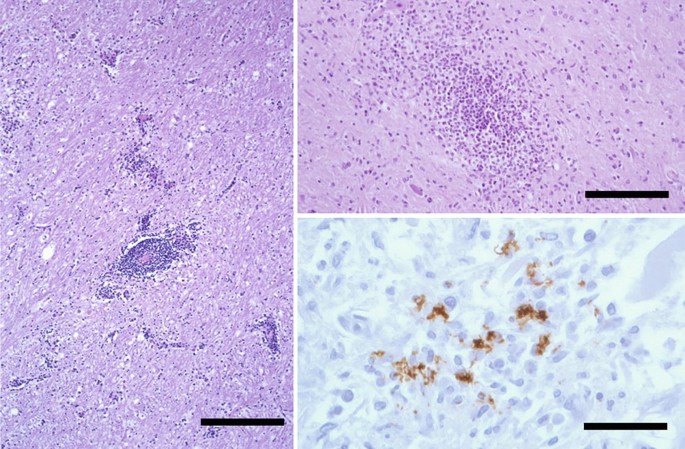
The infection poses severe risks to humans, particularly pregnant women, newborns, older adults, and individuals with weakened immune systems. In animals, it can lead to severe illnesses, affecting livestock and other species, which can have economic implications for farmers and the agricultural industry.
The Human-Animal Connection
The zoonotic nature of listeriosis, meaning it can be transmitted between animals and humans, adds a layer of complexity to controlling its spread. This interconnectedness is critical for understanding how outbreaks occur and how they can be prevented. The lack of distinguishing symptoms between human and animal infections complicates diagnosis and treatment, further emphasizing the need for comprehensive surveillance systems.
Recent Research Findings
The Zoonoses journal article highlights recent studies that reveal the significant impact of listeriosis on public health. These studies underscore that despite advancements in food safety practices, listeriosis remains one of the most severe food-borne diseases with high mortality rates. This calls for a renewed focus on food safety protocols, particularly in sectors dealing with high-risk foods such as dairy, meats, and ready-to-eat products.

Preventive Measures and Public Health
To combat this threat, the research suggests several preventive measures that need to be adopted more widely. These include:
-
Enhanced Food Safety Protocols: Implementing stricter control measures in food production facilities, especially those handling high-risk products. Regular inspections and adherence to hygiene standards are crucial.
-
Public Awareness Campaigns: Educating consumers and food handlers about the risks of listeriosis and the importance of proper food storage, handling, and preparation techniques.
-
Surveillance and Monitoring: Establishing robust systems for tracking Listeria outbreaks and understanding their transmission dynamics to implement timely interventions.
-
Research and Development: Encouraging ongoing research into new technologies and methodologies for detecting and controlling Listeria contamination in food products.
-
Policy and Regulation: Governments and health organizations must develop and enforce regulations that address the unique challenges of preventing listeriosis.
The Role of Technology
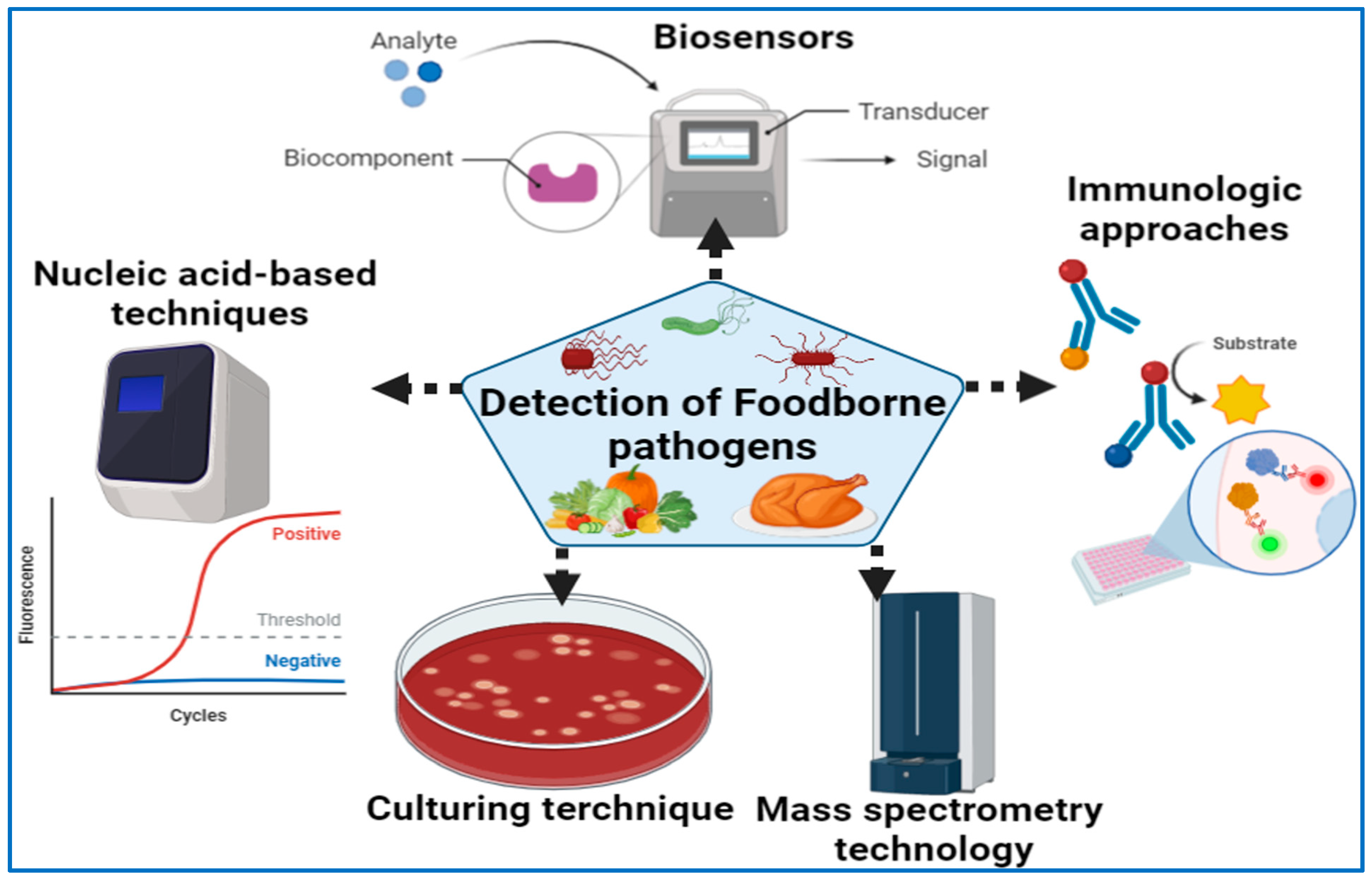
Technology plays a pivotal role in mitigating the risks associated with listeriosis. Advanced diagnostic tools are being developed to detect Listeria contamination more rapidly and accurately, allowing for quicker response times during an outbreak. Additionally, innovations in food processing and packaging can help reduce the likelihood of contamination.
Global Implications and Future Directions
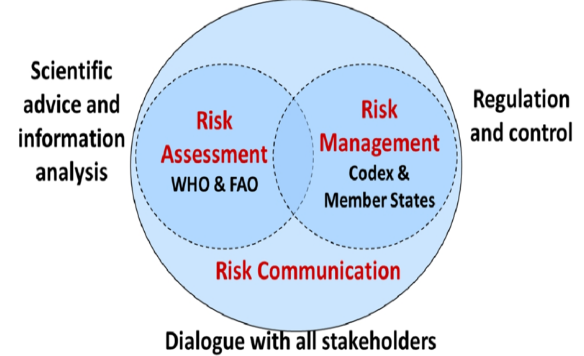
Listeriosis is not just a local problem; it is a global health concern that requires international collaboration. The World Health Organization (WHO) and other global health bodies are working towards establishing international standards and guidelines to prevent listeriosis outbreaks. This involves sharing research findings and successful strategies across borders to build a unified approach to combating this disease.
Furthermore, as global food supply chains become more interconnected, the potential for widespread listeriosis outbreaks increases. This necessitates a coordinated global response to ensure food safety standards are maintained and improved upon worldwide.
Conclusion
The battle against listeriosis is ongoing, and the stakes are high. The recent publication in the Zoonoses journal serves as a stark reminder of the challenges we face in ensuring safe food for all. By embracing preventive measures, leveraging technology, and fostering international collaboration, we can mitigate the risks posed by this insidious pathogen and protect both human and animal populations from its harmful effects.
The path forward requires vigilance, innovation, and cooperation. Only through a concerted and sustained effort can we hope to overcome the threat of listeriosis and ensure a safer, healthier future for all species.