The Rise of TikTok's Viral Food Trends
In recent years, TikTok has emerged as a dominant force in shaping global food trends, transforming the way people discover, create, and consume culinary experiences. With its short-form video format and highly engaging algorithm, TikTok has become a fertile ground for viral food phenomena that captivate millions worldwide. From the trending Dalgona coffee to the delectable baked feta pasta, this platform is redefining food culture and influencing consumer behavior on a global scale.
The Mechanism of Virality
The TikTok algorithm plays a crucial role in the virality of food trends. It curates content tailored to user preferences, making it possible for any video, regardless of the creator’s follower count, to reach millions. The platform's "For You Page" acts as a digital stage where a single creative idea can gain traction, leading to widespread replication and adaptation.
A prime example of this is the viral whipped coffee trend, also known as Dalgona coffee, which took the world by storm during the COVID-19 pandemic. Originating from a South Korean television show, it quickly became a quarantine staple after going viral on TikTok. The simple recipe, involving whipping instant coffee, sugar, and hot water into a frothy concoction, appealed to users seeking comfort and creativity during lockdowns.
Culinary Hits and Misses
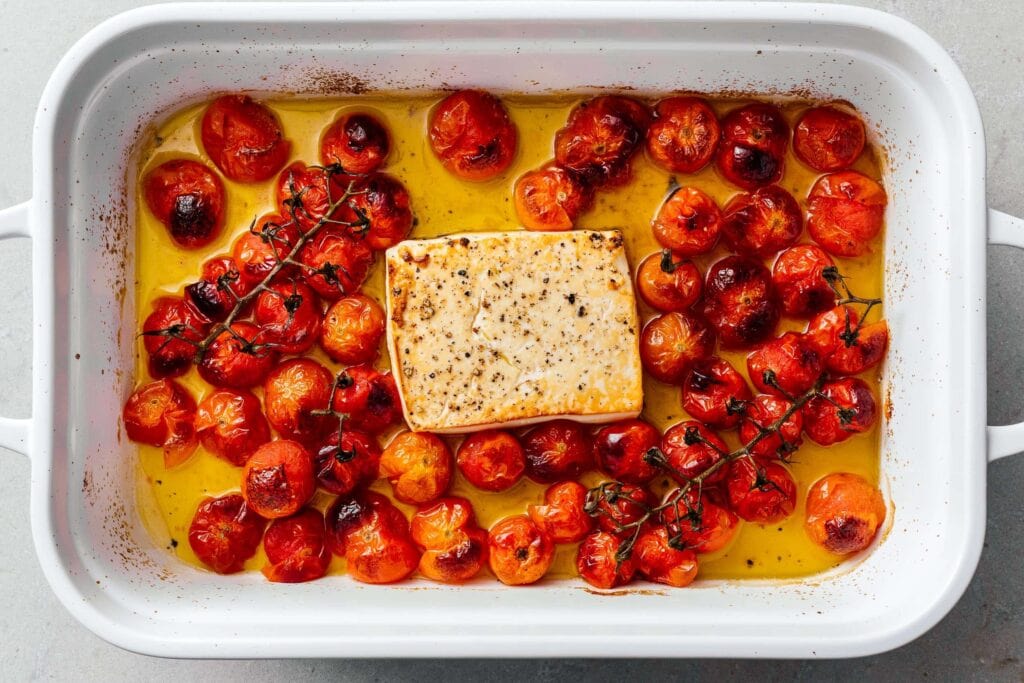
TikTok is not just about creating trends; it’s about reshaping culinary landscapes. The baked feta pasta trend, for instance, became so popular that grocery stores reported a shortage of feta cheese. This phenomenon underscores TikTok's power to influence market demands and consumer behavior.
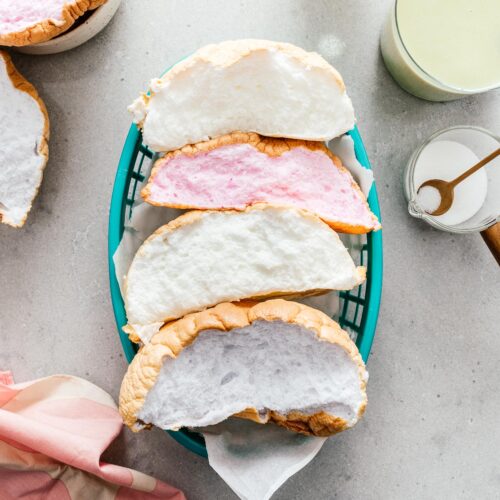
While many trends are embraced for their novelty and taste, not all TikTok-inspired recipes hit the mark. Some, like the cloud bread, a brightly colored, gluten-free bread alternative, are criticized for being more visually appealing than palatable. Nevertheless, even these less successful trends contribute to the platform's dynamic culinary ecosystem by encouraging experimentation and creativity.
The Impact on Restaurants and Brands
Restaurants, home cooks, and brands have been swift to leverage TikTok’s influence. Many eateries have introduced TikTok-inspired dishes to their menus, capitalizing on the platform's trends to attract customers. Brands, too, are jumping on the bandwagon, partnering with TikTok influencers to promote their products in innovative ways.
For instance, the fast-food chain Chipotle has successfully used TikTok to engage with younger audiences by launching challenges and featuring user-generated content. Their #ChipotleLidFlip challenge, which encouraged users to perform a trick with the restaurant's bowl lid, garnered over 300 million views, illustrating the potential for brands to go viral by tapping into TikTok’s trend-driven culture.
The Global Reach of TikTok Food Trends
TikTok’s influence extends beyond individual kitchens and local eateries; it’s a global phenomenon. The platform's ability to transcend cultural and geographical boundaries allows for a rich exchange of culinary ideas. As a result, users from different parts of the world can share their unique recipes and cooking techniques, fostering a diverse and inclusive food culture.
The global reach of TikTok food trends was evident when a simple video of a Japanese rice cooker pancake went viral, introducing millions to a new, fluffy dessert. Similarly, the Indian cuisine staple, chai tea, gained international attention as TikTok users shared their personal takes on the traditional beverage.
Challenges and Criticisms
Despite its many successes, TikTok food culture faces challenges and criticisms. Some argue that the platform promotes wasteful practices, as creators often prioritize aesthetics over practicality, leading to food wastage. Additionally, the rapid turnover of trends can make it difficult for consumers and businesses to keep up, potentially leading to unsustainable practices.
Moreover, the emphasis on visual appeal can overshadow the cultural significance of certain dishes, reducing them to mere viral content rather than appreciating their heritage and complexity. This raises questions about cultural appropriation and the need for sensitivity when sharing and adapting traditional recipes.
Looking Ahead
As TikTok continues to evolve, so too will its impact on food culture. The platform's ability to democratize content creation and distribution ensures that new trends will continue to emerge, each with the potential to capture the world’s attention. For consumers, this means an ever-changing culinary landscape filled with both familiar and novel experiences.
For businesses and brands, the challenge lies in staying agile and responsive to the fast-paced nature of TikTok trends. Those that succeed will likely be those that can authentically engage with the platform's community, leveraging its viral potential to create lasting impressions.
In conclusion, TikTok's role in shaping global food trends is undeniable. By turning everyday recipes into viral sensations, the platform has not only influenced what we eat but also how we think about and interact with food. As we move forward, TikTok will likely remain a critical player in the culinary world, driving innovation and fostering a global community of food enthusiasts.
