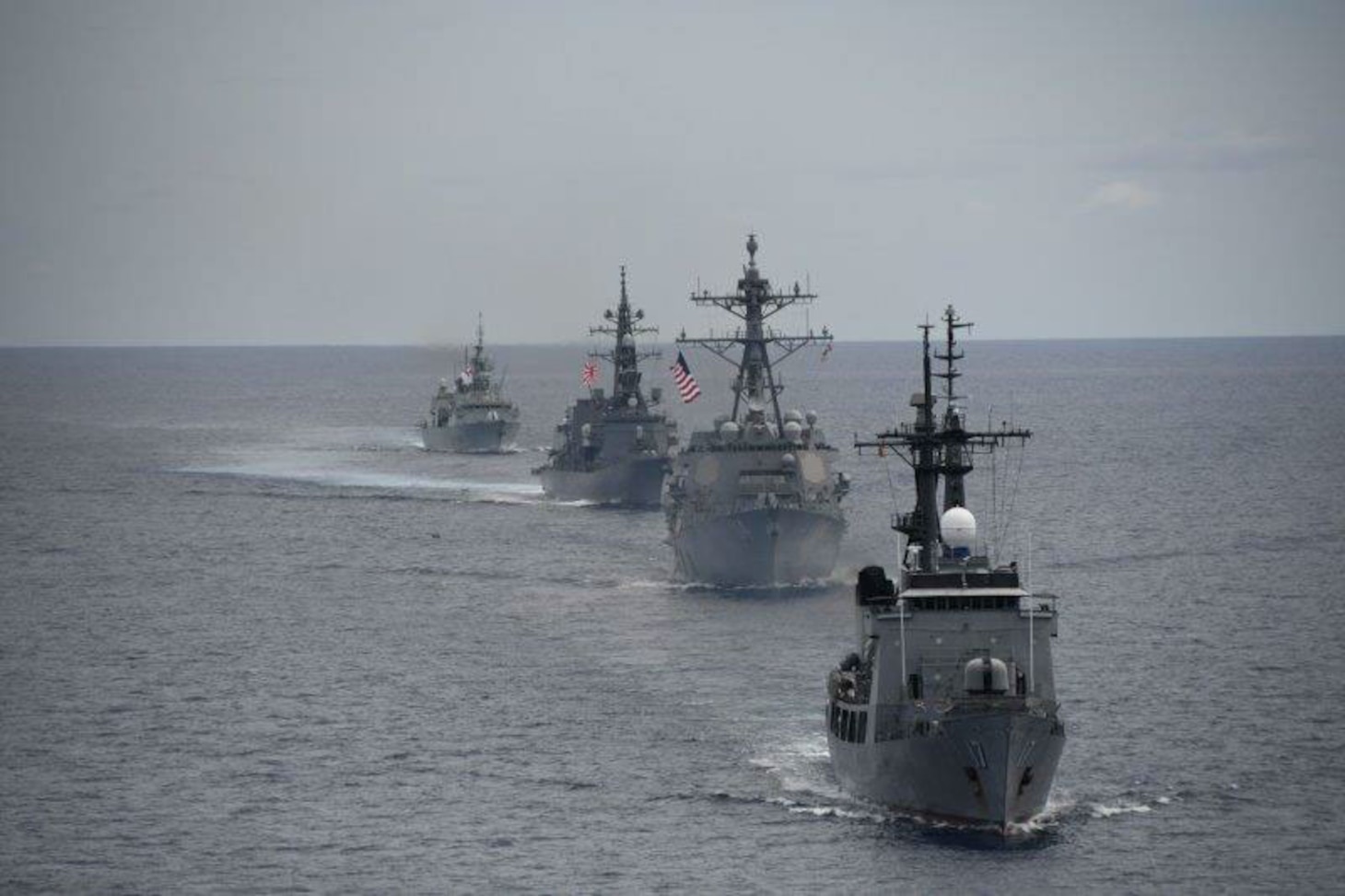
Japanese-Philippine Defense Cooperation Amidst Regional Tensions
In a rapidly changing geopolitical landscape marked by territorial disputes and military posturing, Japan and the Philippines are intensifying their defense collaboration. The two nations have taken concrete steps to bolster their strategic partnership in response to increasing security challenges posed by China's assertive military activities in the region.

Strengthening Ties Through Strategic Dialogue
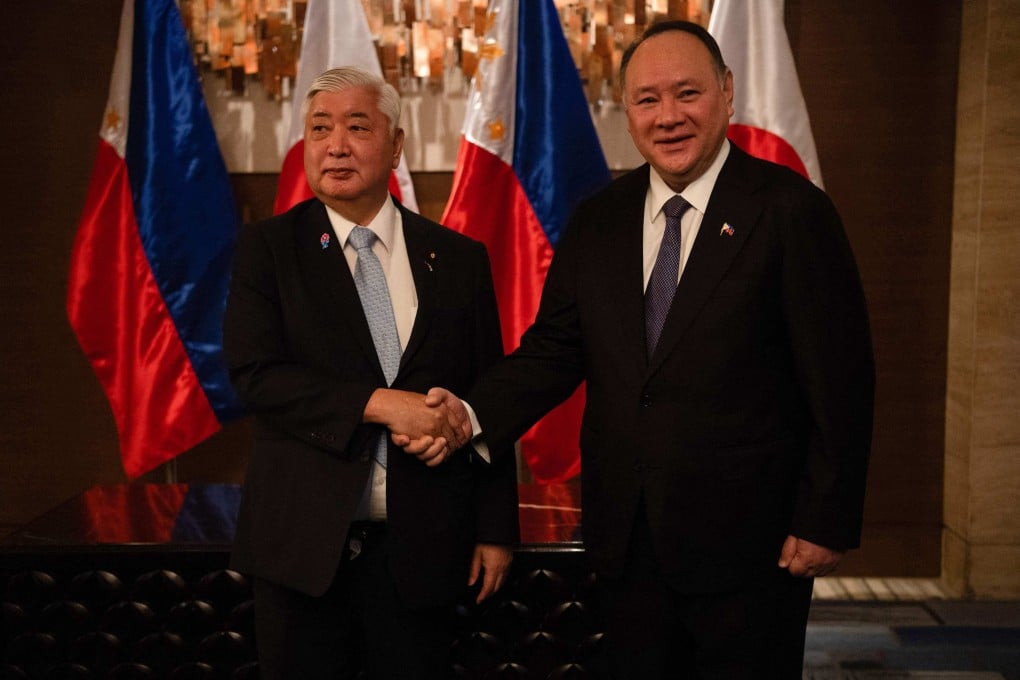
On February 24, 2025, Japanese Defense Minister Gen Nakatani met with his Philippine counterpart, Gilberto Teodoro, in Manila to discuss the future of their nations' defense ties. The meeting concluded with a mutual agreement to establish a strategic dialogue between Japan's Self-Defense Forces and the Philippine military. This dialogue aims to address the security challenges both countries face, particularly those arising from China's military activities in the South China Sea and beyond Source.
"We firmly agreed on the need to elevate defense cooperation to a higher level," stated Minister Nakatani. This sentiment underscores the urgency both nations feel in addressing the increasingly severe security environment in the region.
Collaborative Defense Technology and Equipment
A significant aspect of the enhanced cooperation involves promoting technology collaboration, particularly in defense equipment. Japan has been exporting air defense radars to the Philippines since 2023. The recent agreement includes the provision of coastal surveillance radars under Japan's "official security assistance" framework. This framework was established to enhance defense ties with like-minded countries, reflecting Japan's proactive stance in regional security affairs.
The strategic partnership aims to not only augment the Philippines' defense capabilities but also to foster an environment of technological exchange and innovation. Such cooperation is vital in countering the aggressive maneuvers of China's coast guard ships, which have been reportedly shadowing Philippine vessels near contested shoals.

Expanding Alliances Beyond Bilateral Relations
Japan and the Philippines' defense cooperation is not confined to bilateral engagements. Both nations have expressed a commitment to deepening ties with other key allies, such as the United States and Australia. This multilateral approach is intended to create a robust network of partnerships that can effectively counterbalance China's influence in the region.
Minister Nakatani and Teodoro also agreed to initiate discussions on an accord to protect confidential security information, which would facilitate more seamless intelligence exchanges between the two countries. Such measures are crucial in enhancing operational readiness and ensuring a coordinated response to any potential threats.
Context: China's Expanding Influence
China's claims of sovereignty over nearly the entire South China Sea have been a source of tension and conflict. The region is not only strategically important but also rich in resources, making it a focal point for numerous territorial disputes. The aggressive stance of China's coast guard and navy, particularly near the disputed Senkaku Islands and other contested areas, has raised alarms among neighboring countries.
Japan and the Philippines' response, therefore, is as much about ensuring their national security as it is about preserving the rules-based international order that governs maritime conduct and territorial integrity.
Implications for Regional Stability
The defense cooperation between Japan and the Philippines is a significant development in the broader context of Asia-Pacific security dynamics. By strengthening their military ties and enhancing their technological capabilities, both nations are better positioned to navigate the complex security environment.
The partnership also sends a clear message to China and the international community about the importance of maintaining a balance of power in the region. As Japan and the Philippines continue to deepen their defense collaboration, it remains to be seen how China will respond to these developments and how they will impact the ongoing territorial disputes in the South China Sea.
Conclusion
In conclusion, the strategic dialogue and enhanced defense cooperation between Japan and the Philippines represent a proactive approach to regional security. By fostering technological collaboration and expanding alliances, both nations are taking significant steps to address the challenges posed by China's military activities. As the geopolitical landscape continues to evolve, the importance of such partnerships will likely increase, shaping the future of security in the Asia-Pacific region.

This evolving cooperation between Japan and the Philippines serves as a pivotal example of how nations can work together to promote stability and peace in a complex and often contentious international environment.