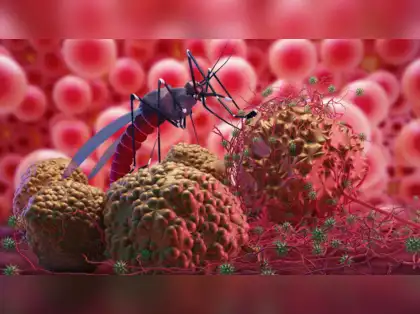
The Stealth Approach of Zika Virus: New Insights into Its Infection Mechanism
In a groundbreaking revelation, recent research has uncovered that the Zika virus employs a stealthy and sophisticated method to infiltrate the placenta's cells, a critical step in its infection process. The study reveals that the virus forms tunnel-like structures to covertly penetrate these cells, providing fresh insights into its elusive infection mechanisms and posing significant implications for future medical research and potential treatments.
Unveiling the Covert Tunnels
The study, published in Science Daily, details how Zika virus constructs intricate tunnel-like formations, which it uses to bypass the host's cellular defenses. This mechanism allows the virus to evade the immune system and establish an infection in placental cells, which are crucial for fetal development. The ability to infect these cells is particularly concerning, as it can lead to severe birth defects, including microcephaly, when transmitted from a pregnant mother to her unborn child.
How the Tunnels Work
The process involves the Zika virus manipulating the host cell's cytoskeleton, a complex network of fibers that maintain the cell's shape and internal organization. By hijacking this structure, the virus is able to form conduits that facilitate its movement between cells. This not only allows it to spread more efficiently but also helps it remain undetected by the host's immune responses for a longer period, enhancing its virulence.

Implications for Medical Research
The discovery of these viral tunnels opens new avenues for understanding how other viruses might use similar mechanisms to infect host cells. This knowledge is critical for developing targeted antiviral therapies that can block these pathways, potentially stopping the virus before it can cause significant harm.
Towards Better Treatment and Prevention
The insights gained from this study could inform the development of more effective vaccines and treatments. By targeting the specific mechanisms used by the Zika virus to form tunnels, researchers could devise strategies to disrupt its lifecycle and prevent infection. This would be a significant step forward in protecting vulnerable populations, particularly pregnant women, from the devastating effects of the virus.
The Broader Impact
The findings not only enhance our understanding of Zika but also have broader implications for viral research. Many viruses, including the flu and HIV, employ stealth tactics to evade the immune system. Understanding these tactics at a cellular level can lead to breakthroughs in how we tackle viral infections globally.
Cross-Disciplinary Approaches
The study highlights the importance of cross-disciplinary approaches in virology. By combining insights from cellular biology, immunology, and medical research, scientists are better equipped to unravel the complex interactions between viruses and their hosts. This holistic approach is essential for developing comprehensive strategies to combat viral diseases.
The Ongoing Battle Against Zika
Despite significant progress in understanding the Zika virus, challenges remain. The virus continues to pose a threat in many regions, particularly in areas with high rates of mosquito-borne transmission. Efforts to control mosquito populations, coupled with advances in medical research, remain critical components of the fight against Zika.
Public Health Strategies
Public health strategies must adapt to incorporate the latest scientific findings. This includes educating communities about the risks of Zika and promoting preventive measures, such as the use of mosquito nets and repellents. Additionally, health organizations should prioritize the development and distribution of vaccines and treatments based on the latest research insights.
Conclusion
The discovery of the Zika virus's tunnel-building ability marks a significant milestone in virology, offering new perspectives on its infection mechanisms. As researchers continue to unravel the complexities of viral infections, these insights pave the way for innovative strategies to prevent and treat not only Zika but other similar viral threats. The ongoing collaboration between scientists and healthcare professionals will be crucial in translating these findings into real-world solutions, ultimately enhancing global health security.