The Evolution and Impact of Viral Infections on Global Health
In the realm of global health, the evolution of human viral infections remains a persistent and ever-evolving threat. The COVID-19 pandemic, which has dramatically altered the course of history, is a stark reminder of how rapidly infectious diseases can spread and mutate, presenting new challenges with each variant. From the initial Alpha strain to the highly contagious Omicron variant, COVID-19 has shown the world the power of viral evolution. Meanwhile, influenza continues to be a formidable opponent, characterized by its predictable seasonal cycles. Both viruses serve as a reminder that vigilance and adaptation are crucial in the fight against infectious diseases.
The COVID-19 Pandemic: A Case Study in Viral Evolution
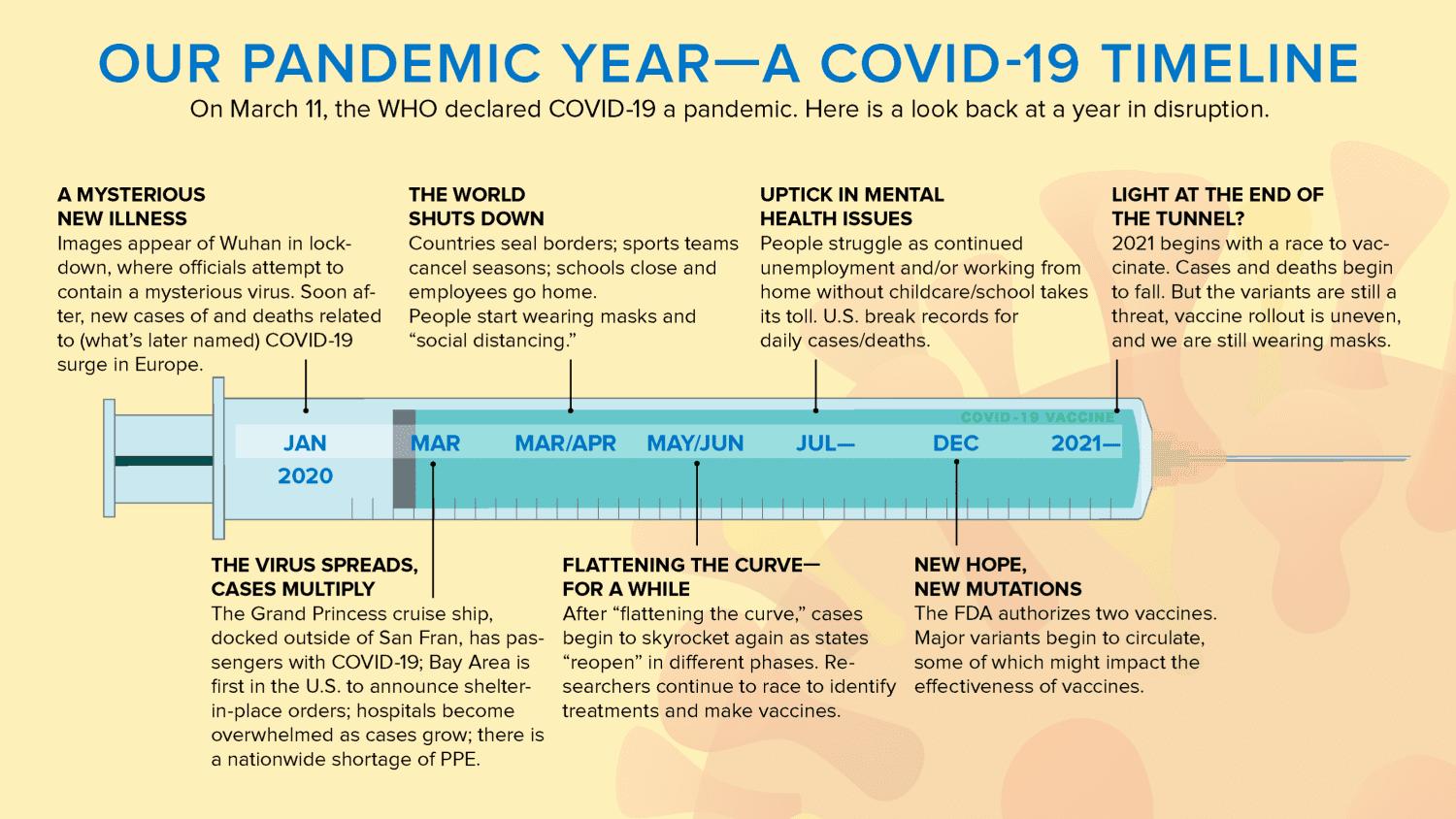
The COVID-19 pandemic has been a textbook case of how viral evolution can challenge global health systems. According to IDD Jobs, the pandemic has been characterized by waves of infection resulting from increasingly infectious variants. These variants have demonstrated the virus's ability to escape existing population immunity, necessitating continuous updates in public health strategies.
The rapid proliferation of variants, such as Delta and Omicron, underscores the need for ongoing research and adaptability in public health responses. The World Health Organization (WHO) and other international organizations have played pivotal roles in coordinating global efforts to track and manage the spread of these variants. The Bill & Melinda Gates Foundation (BMGF) has also been instrumental in funding research and response initiatives.
Influenza: A Seasoned Adversary
In contrast to COVID-19, influenza has long been a familiar foe. Its evolution is marked by regular seasonal cycles in the Northern and Southern Hemispheres, as explained by IDD Jobs. Despite its predictability, influenza remains a significant public health concern due to its ability to mutate and potentially cause pandemics, as seen in the 2009 H1N1 outbreak.
The seasonal nature of influenza allows for the development of vaccines that can be updated annually to match circulating strains. However, the threat of a novel influenza virus with pandemic potential is ever-present. This necessitates ongoing surveillance and preparedness efforts by health agencies worldwide.

Insights and Implications for Public Health
The continuous threat posed by viral evolution has far-reaching implications for public health. Insights gained from studying the evolution of viruses like COVID-19 and influenza are invaluable for pandemic preparedness and the mitigation of endemic diseases. Public health agencies, such as the Centers for Disease Control and Prevention (CDC) and the WHO, rely on this information to develop strategies for vaccination, treatment, and containment.
One of the key challenges in managing viral infections is the ability to predict and respond to new variants. This requires a robust global surveillance system and the capacity to develop and distribute vaccines swiftly. The rapid development and deployment of COVID-19 vaccines highlighted the importance of international collaboration and investment in vaccine research and manufacturing infrastructure.
The Role of International Organizations
International organizations play a critical role in coordinating the global response to viral infections. The WHO provides guidance and support to countries in dealing with outbreaks and pandemics. It also facilitates the sharing of data and resources, ensuring that even low-resource countries can access vital information and interventions.
The Bill & Melinda Gates Foundation has been a major player in funding research and development of vaccines and treatments for viral infections. Their investments in global health initiatives have helped to accelerate the availability of vaccines and improve healthcare infrastructure in many parts of the world.
Looking Ahead: Preparing for the Future
As the world continues to grapple with the challenges of viral infections, preparing for the future becomes imperative. This involves not only strengthening current public health systems but also investing in research and innovation to anticipate and counteract emerging threats.
The use of next-generation sequencing and other advanced technologies will be crucial in identifying new variants and understanding their impact. Public health agencies must also focus on building resilient healthcare systems that can withstand the pressures of future pandemics.

Conclusion
The evolution of viral infections poses a continuous threat to global health. The experiences of the COVID-19 pandemic and ongoing influenza outbreaks highlight the need for vigilance, adaptability, and international cooperation. By learning from past challenges and investing in future preparedness, the global community can better protect itself against the ever-evolving landscape of viral infections. The collaboration between public health agencies, researchers, and international organizations will be key in ensuring a healthier and more resilient world.
For further reading on the modeling of viral infections and their impact on global health, visit IDD Jobs.