
Web3 and Blockchain Games: Trends and Innovations
The world of gaming is undergoing a revolutionary transformation with the integration of Web3 and blockchain technologies. Despite a general downturn in the GameFi market, certain projects are thriving, offering unique experiences that leverage blockchain to redefine player interaction with digital assets and decentralized economies.
The Rise of Blockchain in Gaming
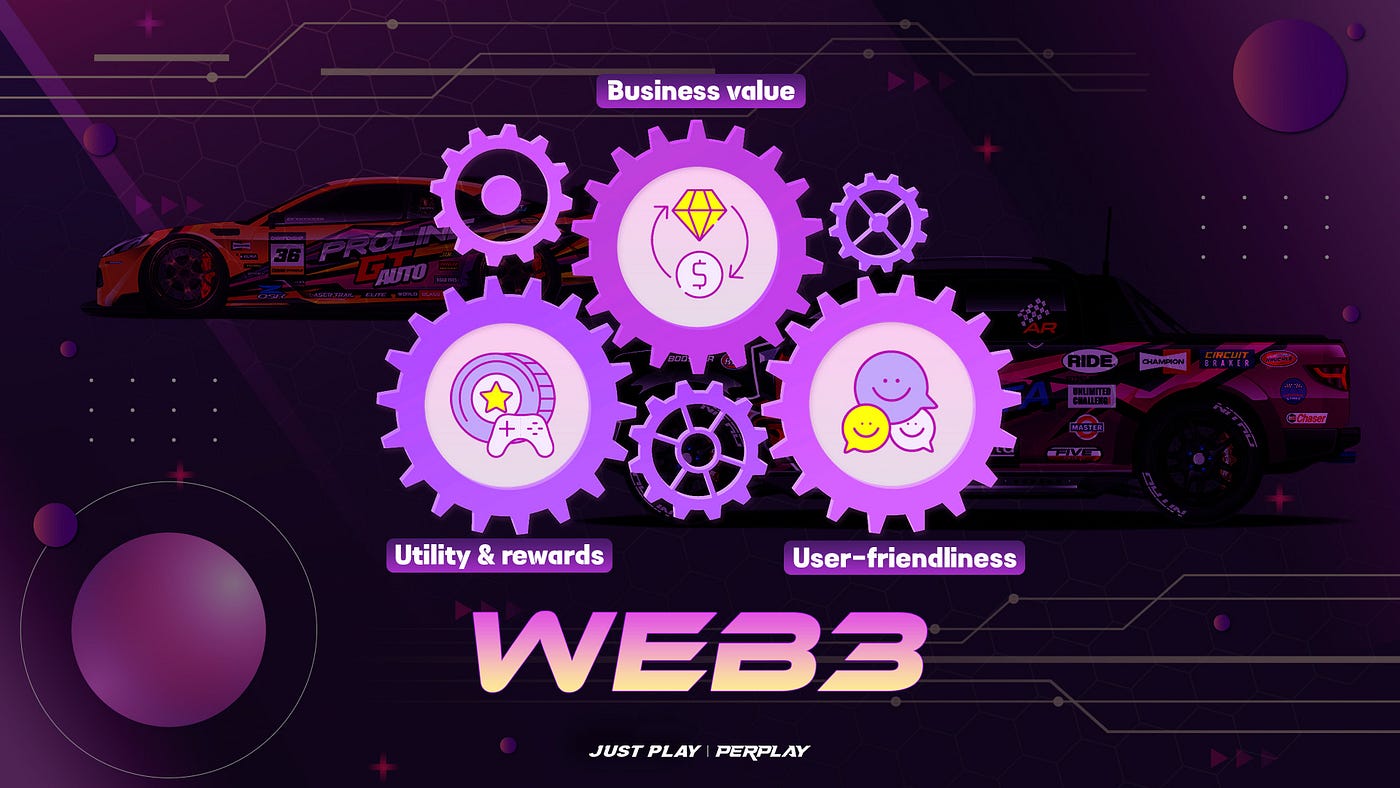
Blockchain technology has introduced a new paradigm to the gaming industry, allowing players to own, trade, and monetize in-game assets outside the confines of traditional gaming platforms. This shift is primarily driven by the principles of decentralization and transparency, which are at the core of blockchain technology.
Key Players in Blockchain Gaming
Several projects are leading the charge in integrating blockchain into their gaming ecosystems. According to Web3 & Blockchain Games Daily, despite notable GameFi outflows, eight standout projects are defying market trends by offering innovative gameplay and economic models.
Axie Infinity
One of the most prominent blockchain-based games is Axie Infinity. This game allows players to collect, breed, and battle fantasy creatures called Axies. Built on the Ethereum blockchain, Axie Infinity uses a play-to-earn model that has attracted a massive player base, particularly in regions where economic opportunities are limited.
Decentraland
Another frontrunner is Decentraland, a virtual reality platform powered by the Ethereum blockchain. In Decentraland, players can purchase plots of land that they can develop and monetize. This decentralized virtual world allows users to create and sell digital real estate, art, and experiences, all secured by blockchain technology.

The GameFi Market: Challenges and Opportunities
The GameFi market, a fusion of gaming and decentralized finance, has experienced a downturn, primarily due to market saturation and economic volatility. However, this has not deterred innovative projects from exploring new ways to engage players and generate value.
Challenges
-
Market Saturation: The rapid proliferation of blockchain games has led to a saturated market, making it difficult for new projects to gain traction.
-
Economic Volatility: The value of in-game assets often fluctuates with the cryptocurrency market, posing risks for players and developers alike.
-
Regulatory Concerns: The evolving regulatory landscape for cryptocurrencies can impact the operation and adoption of blockchain games.
Opportunities
-
Innovative Economic Models: Projects are experimenting with new economic models, such as play-to-earn and NFTs, to attract and retain players.
-
Community Engagement: Blockchain games are fostering strong community engagement through decentralized governance models, allowing players to have a say in game development.
-
Cross-Platform Integration: The ability to integrate blockchain assets across different games and platforms presents a unique opportunity for developers and players to create interconnected gaming ecosystems.
Future Outlook
The future of Web3 and blockchain gaming looks promising, with continuous advancements in technology and increasing interest from players and developers alike. As the industry matures, we can expect to see more sophisticated games that offer deeper and more immersive experiences.
Trends to Watch
-
Interoperability: The ability for different blockchain games to interact and share assets will become increasingly important, leading to a more cohesive gaming ecosystem.
-
Augmented Reality (AR) and Virtual Reality (VR): The integration of AR and VR technologies with blockchain gaming is set to enhance the immersive experience for players.
-
Sustainability: As environmental concerns grow, blockchain games will need to adopt more sustainable practices, particularly concerning the energy consumption of blockchain networks.
Conclusion
The integration of Web3 and blockchain technologies in gaming is paving the way for a new era of digital interaction, ownership, and economic participation. While challenges remain, the innovations and trends emerging from this space are set to redefine the gaming landscape, offering players unprecedented levels of control and engagement. As we look to the future, the potential for blockchain games to influence the broader entertainment industry is immense, promising exciting developments for years to come.