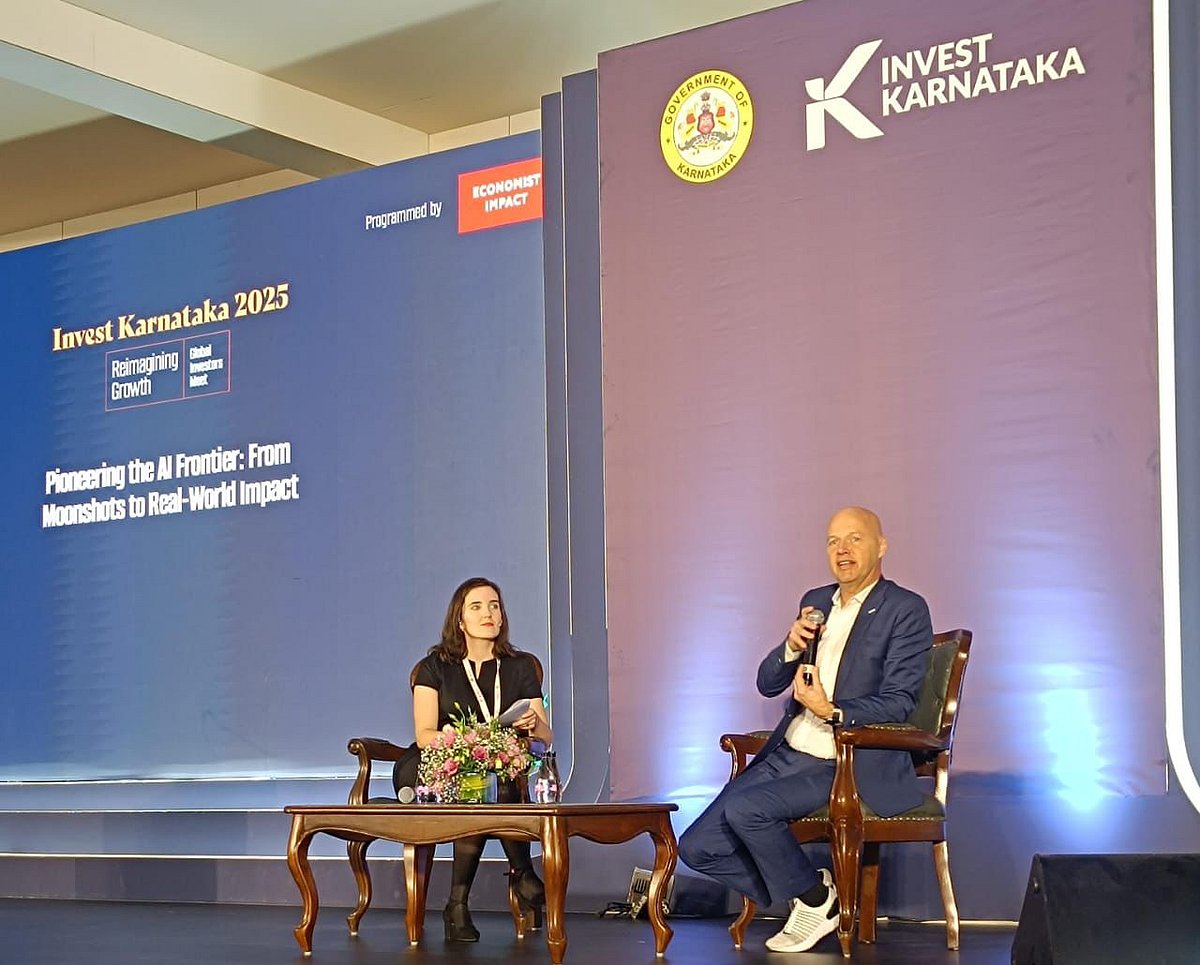
AI and the concept of digital immortality took center stage at the Global Investors’ Meet in Bangalore, where Sebastian Thrun, the visionary founder of Google X, outlined a future where technology allows for posthumous conversations with loved ones. This groundbreaking idea hinges on the development of "digital twins," a fusion of AI and personal data that could offer an unprecedented form of immortality.
The Concept of Digital Twins
Digital twins are virtual replicas of real-world entities, created using data analytics, machine learning, and AI. Initially developed for industrial applications, such as simulating the performance of physical assets, digital twins are now being explored for more personal uses. Thrun envisions a future where these digital twins are not just limited to objects or processes but extend to humans, allowing for interactions with virtual versions of people who have passed away. This notion of digital immortality could fundamentally alter how we deal with grief and memory.

AI and Post-Mortem Conversations
Thrun's vision suggests a future where conversations with deceased loved ones could be powered by AI, effectively allowing them to "live on" virtually. This technology would harness the power of AI to simulate the personality, voice, and memory of the deceased, creating a digital entity capable of interaction. Such technology raises profound questions about the nature of consciousness and memory, as well as ethical concerns regarding consent and the potential for misuse.
Impact on Job Markets
As AI continues to evolve, its implications for the job market are significant. Thrun predicts that while AI could render approximately 60% of current jobs obsolete, it will also create new opportunities. This transition requires a workforce that is adaptable and skilled in emerging technologies. Industries like transportation, healthcare, and personalized services are expected to see revolutionary changes as AI becomes more integrated into daily operations.

Regulation and Innovation
Regulation of AI and digital twin technology is a contentious issue. Thrun emphasized the need for balanced regulatory frameworks that protect against misuse without stifling innovation. Countries like China and the European Union have already implemented AI regulations, while others, including India, are still developing their policies. Thrun warned against overregulation, suggesting that it could hinder technological progress and the benefits it could bring.
Ethical Considerations
The creation and implementation of digital twins for human interaction raise numerous ethical questions. These include concerns about privacy, the authenticity of interactions, and the potential emotional impact on users. Critics argue that such technology could blur the lines between reality and simulation, leading to societal and psychological implications that are not yet fully understood.
Global Perspectives
The conversation around digital twins and AI is global. In the UK, for example, there is already exploration into using AI chatbots for public services, as reported by The Hindu. This demonstrates the widespread interest and investment in AI technologies and their potential applications.
Conclusion
Sebastian Thrun's vision of a future where digital twins enable conversations with departed loved ones challenges our understanding of life, death, and technology. As AI continues to advance, it is imperative to navigate the ethical, regulatory, and societal implications carefully. The potential benefits are immense, but so are the risks. As we stand on the brink of this digital frontier, the decisions made today will shape the future of human interaction and technological development.

For more insights on AI and digital twins, visit The Hindu for their comprehensive coverage.