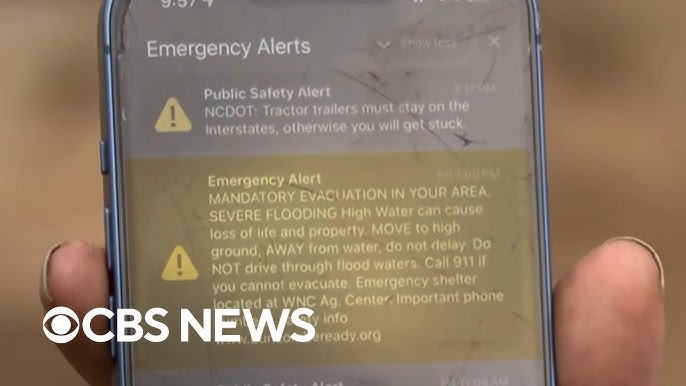
Smartphones and the Future of Emergency Alerts
In the digital age, smartphones have reshaped how we communicate, work, and live. Among their many roles, one of the most critical is their capacity to transform emergency alert systems globally. With advancements in technology, smartphones are not just a means of personal communication but a lifeline during crises.

The Evolution of Emergency Alert Systems
Historically, emergency alerts were mainly broadcast via radio and television. These traditional methods, while effective in reaching large audiences, lacked immediacy and personalization. With the advent of mobile technology, the landscape of emergency communication has shifted dramatically.
Smartphones, equipped with GPS and internet connectivity, offer real-time alerts that are location-specific, ensuring that individuals receive pertinent information when they need it most. As Engadget reports, recent advancements in data network protection and virus alarms have further enhanced the reliability and speed of these alerts.
This technological evolution means that emergency alert systems can now provide more than just warnings. They offer detailed instructions, updates on the evolving situation, and even reassurance, reducing panic and improving public response.
Real-Time Notifications in Crisis
One of the most significant benefits of smartphone-enabled alerts is their ability to deliver real-time notifications. During a natural disaster, such as an earthquake or hurricane, every second counts. Smartphones can push alerts and updates instantaneously, allowing individuals to take immediate action.
For instance, during the California wildfires, smartphone alerts played a crucial role in guiding residents to safety. The alerts included evacuation routes and shelter locations, showcasing how crucial timely information can be in saving lives.
Advancements in Technology
The role of smartphones in emergency management is continually expanding, thanks to technological advancements. The integration of artificial intelligence (AI) and machine learning enables systems to predict and analyze potential threats more effectively. These technologies can analyze vast amounts of data to provide more accurate forecasts and timely alerts.
Moreover, location-based alerts allow for a more targeted approach, ensuring that only those in the affected area receive notifications. This specificity not only increases the relevance of the information but also reduces the likelihood of alert fatigue, where individuals become desensitized to frequent notifications.
Personalization of Alerts
Another promising development is the personalization of emergency alerts. By utilizing user data, such as location, health information, and personal preferences, alerts can be tailored to meet individual needs. For example, during a public health crisis, individuals with specific medical conditions can receive alerts with pertinent advice and resources.
This level of personalization enhances the effectiveness of alerts by ensuring that the information is relevant and actionable for each recipient. It also empowers individuals to make informed decisions based on their unique circumstances.
Challenges and Considerations
Despite the numerous benefits, there are challenges associated with the use of smartphones in emergency alerts. Privacy concerns are paramount, as systems must balance the need for data to deliver personalized alerts with the responsibility to safeguard user privacy.
Additionally, the digital divide remains a significant hurdle. Not everyone has access to smartphones or reliable internet connections, particularly in rural or impoverished areas. Ensuring that emergency alerts reach all demographics is a critical challenge that needs addressing.
Infrastructure is another concern. During crises, networks can become congested, delaying the delivery of alerts. Investing in resilient communication infrastructure is essential to ensure that alerts are delivered promptly and reliably.
The Future of Emergency Alerts
Looking ahead, the role of smartphones in emergency management will likely continue to grow. Innovations such as wearable technology and the Internet of Things (IoT) hold the potential to further enhance alert systems. Wearables, for instance, could monitor vital signs and provide alerts in health emergencies, while IoT devices could offer real-time environmental monitoring and alerts.
Governments and organizations must continue to invest in these technologies and work collaboratively to develop robust and inclusive emergency alert systems. Public education is also crucial, ensuring that individuals know how to respond to alerts and understand the importance of maintaining updated contact information and settings on their devices.

Conclusion
The integration of smartphones into emergency alert systems represents a significant leap forward in public safety. As technology continues to evolve, so too will the capabilities of these systems, offering new ways to protect and inform the public during emergencies. By understanding and leveraging these advancements, we can improve response times and ultimately save lives.
In a world where crises can arise unexpectedly, the importance of effective and efficient communication cannot be overstated. Smartphones, with their evolving capabilities, are at the forefront of ensuring that individuals receive the information they need when it matters most. As we move towards a more connected and technologically advanced future, the potential for smartphones to enhance public safety is boundless.