
Evolving Trends in Mobile Gaming: A Look at 2025
As we step into 2025, the landscape of mobile gaming is undergoing remarkable transformations powered by technological advancements and shifting consumer preferences. The ubiquitous presence of smartphones has not only democratized gaming access but also catalyzed innovation in game development. Two standout trends redefining the mobile gaming sphere are the rise of Augmented Reality (AR) games and the growing influence of cloud gaming services.
The Rise of Augmented Reality in Mobile Gaming
Augmented Reality (AR) has emerged as a revolutionary force in mobile gaming, offering players immersive experiences that blend digital elements with the real world. This technology has the unique ability to transform everyday environments into interactive playgrounds, bringing a new dimension to gaming.

The success of games like Pokémon GO has paved the way for more sophisticated AR experiences. These games encourage physical activity, exploration, and social interaction, blurring the lines between the virtual and physical worlds. AR technology is also being leveraged to create educational games that make learning interactive and engaging.
Innovations in AR are driven by advancements in smartphone hardware and software capabilities, including improved cameras, sensors, and processing power. As these technologies continue to evolve, AR games are expected to become more refined and widespread, offering players increasingly realistic and engaging experiences.
The Impact of Cloud Gaming Services
Cloud gaming is another trend gaining significant traction in 2025. This technology allows players to stream high-quality games directly to their devices without the need for powerful hardware. By shifting the processing load to remote servers, cloud gaming platforms enable even budget smartphones to run graphic-intensive games seamlessly.
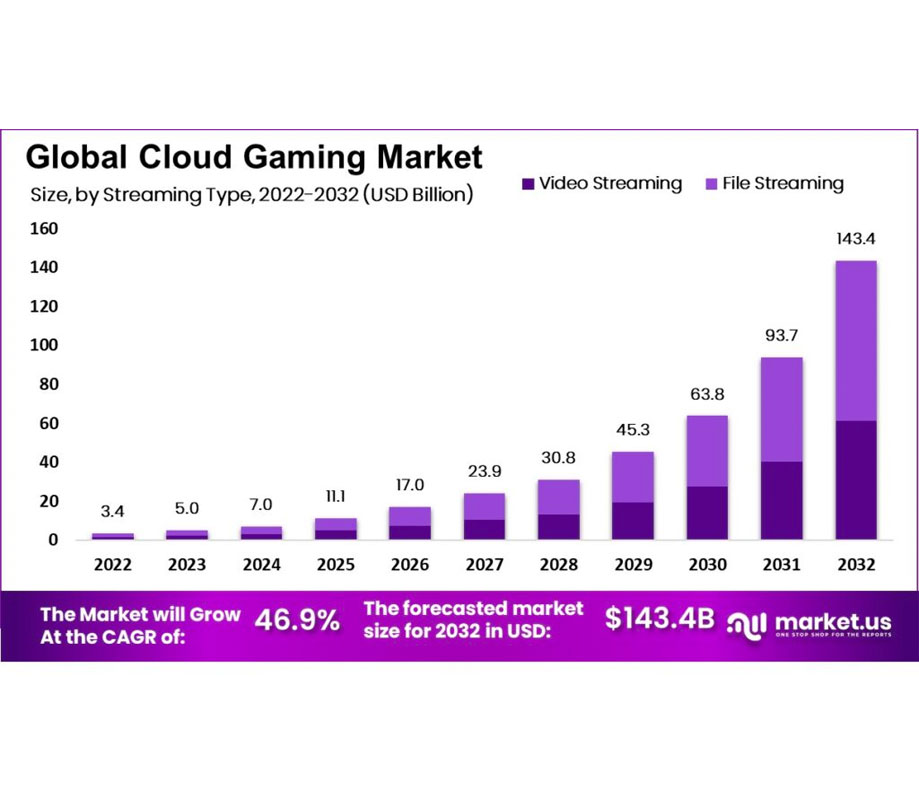
Services like NVIDIA GeForce Now, Google Stadia, and Microsoft's Xbox Cloud Gaming have spearheaded this movement, providing gamers with access to vast libraries of games at a fraction of the cost of traditional gaming setups. This shift not only democratizes gaming access but also reduces the environmental impact associated with manufacturing and disposing of gaming hardware.
The integration of 5G technology has further bolstered the cloud gaming experience by reducing latency and improving streaming quality. As internet infrastructure continues to expand and improve globally, cloud gaming is poised to become a dominant force in the gaming industry, offering players unprecedented convenience and flexibility.
Expanding Accessibility and Innovation
The convergence of AR and cloud gaming is expanding the horizons of what is possible in mobile gaming. By reducing barriers to entry, these technologies are enabling a wider audience to participate in gaming, from casual players to hardcore enthusiasts.

Moreover, these trends are driving innovation in game design. Developers are experimenting with new game mechanics and narratives that leverage AR to create dynamic storytelling experiences. Meanwhile, cloud gaming is facilitating the development of cross-platform games, allowing players to engage with their favorite titles across different devices seamlessly.
Challenges and Opportunities in Mobile Gaming
Despite the promising outlook, the mobile gaming industry faces several challenges. Ensuring data privacy and security in AR applications is crucial, as these games often require access to personal data and real-world locations. Additionally, cloud gaming relies heavily on internet connectivity, which may not be uniformly reliable or accessible in all regions.
However, these challenges present opportunities for innovation. Companies that prioritize security and optimize their platforms for varying network conditions can gain a competitive edge. Furthermore, the rise of mobile gaming presents opportunities for marketers and advertisers to reach consumers through in-game advertisements and partnerships.
Looking Forward
As we look ahead, it's clear that mobile gaming is at the forefront of technological innovation. AR and cloud gaming are not only transforming how games are played but also how they are developed and monetized. The next few years will likely see increased collaboration between technology companies, game developers, and other stakeholders to further enhance the mobile gaming experience.
In summary, the trends shaping mobile gaming in 2025 are a testament to the industry's adaptability and creativity. As AR and cloud gaming continue to evolve, players can expect more immersive, accessible, and exciting gaming experiences that push the boundaries of what's possible.
For more insights on the latest trends in gaming and technology, visit Science Daily.