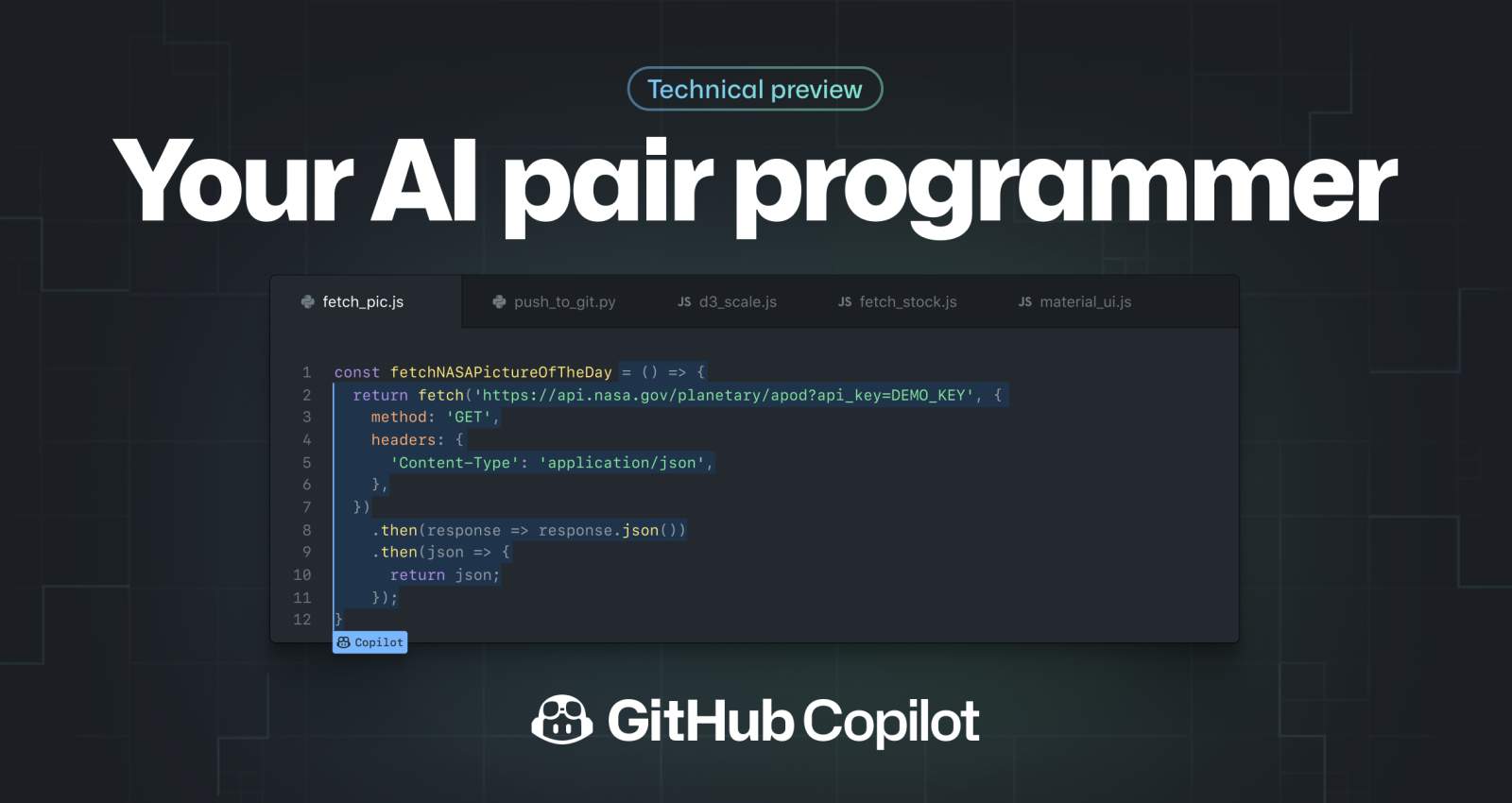
The Evolution of Coding Assistants: Microsoft's GitHub Copilot
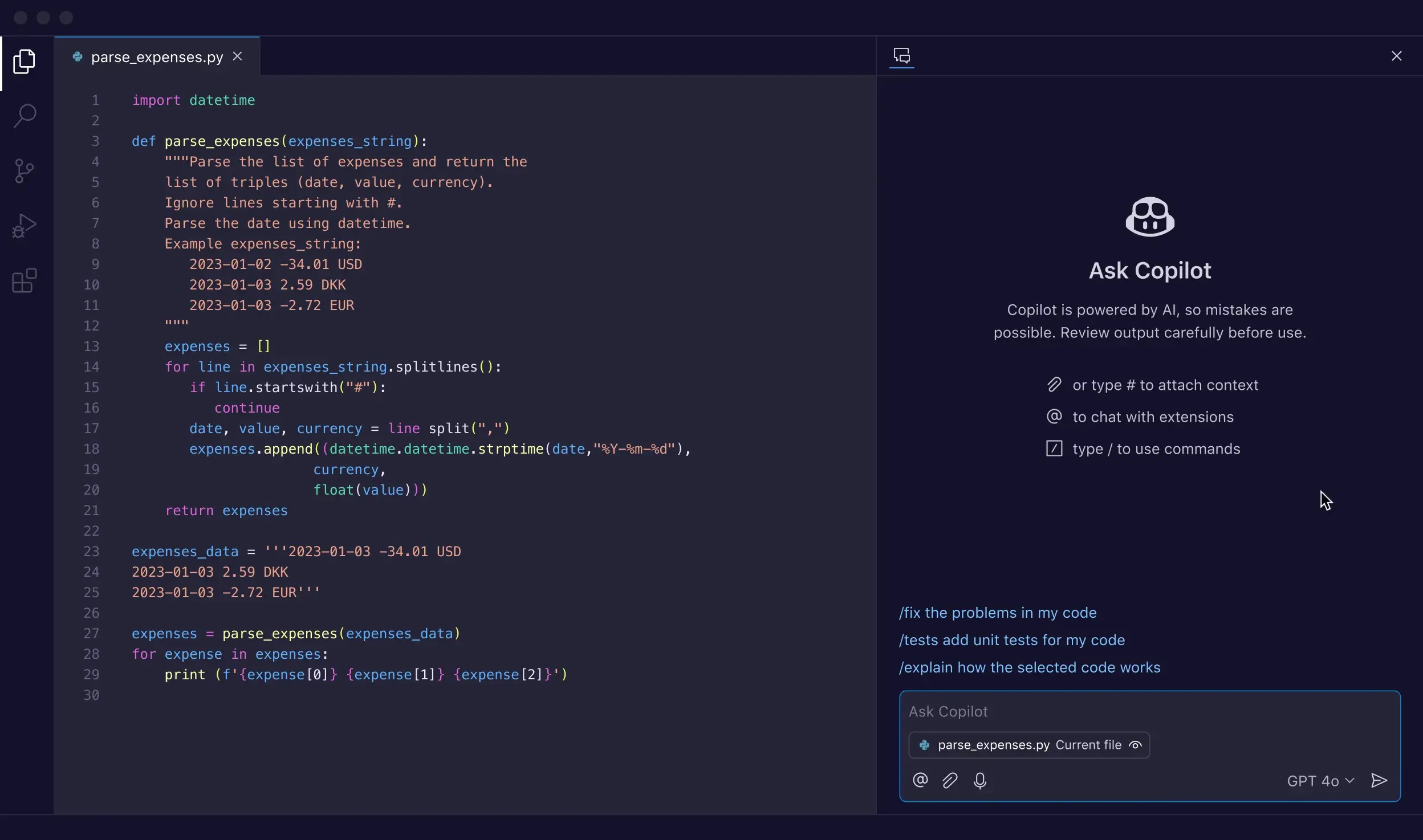
In the rapidly evolving world of software development, Microsoft's GitHub Copilot stands as a testament to the transformative power of artificial intelligence. This AI-powered coding assistant has become an integral tool for developers, revolutionizing the way they write and interact with code. Despite facing its share of controversies, GitHub Copilot continues to shape the future of programming, offering both unprecedented advantages and notable challenges.
A Pioneering Tool in Software Development
GitHub Copilot, launched by Microsoft in collaboration with OpenAI, is designed to assist developers by suggesting whole lines or blocks of code as they type. It's like having an AI-powered pair programmer that can predict and autocomplete code snippets based on context provided by the user. The tool utilizes OpenAI's Codex, a version of the GPT-3 language model trained specifically for programming tasks.
The impact of GitHub Copilot on software development has been profound. By streamlining the coding process, it allows developers to focus more on the creative aspects of software design rather than getting bogged down with syntax and boilerplate code. This efficiency boost is particularly beneficial in complex coding tasks that require precision and speed.
Recent Updates and Enhancements
In the past year, GitHub Copilot has received several updates aimed at improving its functionality and user experience. These enhancements include better context understanding, more relevant code suggestions, and increased support for a variety of programming languages. These updates are part of Microsoft's ongoing commitment to refining the tool to meet the evolving needs of developers.
One of the most significant updates is the integration of Copilot with Visual Studio Code, one of the most popular code editors. This integration ensures seamless use of Copilot's features, allowing for a more intuitive coding experience. Additionally, Microsoft has expanded Copilot's capabilities to support collaboration tools, further enhancing its utility in team environments.

Advantages and Limitations
The advantages of using GitHub Copilot are manifold. It accelerates the coding process by reducing the time spent on repetitive tasks, allowing developers to allocate more time to problem-solving and innovation. It also serves as an educational tool for novice programmers, providing real-time feedback and examples that can help them learn coding practices more effectively.
However, Copilot is not without its limitations. The AI model is trained on publicly available code, which raises concerns about code quality and security. There have been instances where Copilot suggested code snippets that contained outdated or insecure practices. Furthermore, the tool's reliance on existing codebases means it might perpetuate existing biases or errors present in the training data.
Community Reactions
The developer community's reaction to GitHub Copilot has been mixed. While many appreciate its potential to transform coding workflows, others have raised ethical and practical concerns. Developers have debated the implications of using an AI that learns from their code, questioning whether this might infringe on intellectual property rights or stifle creativity by promoting homogenized code.
Despite these concerns, the general consensus is that Copilot represents a significant step forward in coding technology. It offers a glimpse into a future where AI not only assists but also collaborates with humans in creative and technical endeavors.
Broader Implications for Software Development
The introduction of GitHub Copilot has broader implications for the future of software development. As AI continues to evolve, tools like Copilot could redefine the roles of developers, shifting the focus from code writing to code management and system design. This shift could lead to a new era of software development characterized by increased collaboration between human and machine.
Moreover, the success of GitHub Copilot has prompted other tech giants to explore AI-assisted coding tools, potentially leading to a surge in competition and innovation in this space. This could result in more advanced and diverse AI tools that cater to different aspects of the software development lifecycle.
Conclusion
Microsoft's GitHub Copilot is more than just a coding assistant; it is a harbinger of a new age in software development. As it continues to evolve, it promises to enhance productivity, foster innovation, and reshape the developer landscape. However, as with any technological advancement, it also brings challenges that must be addressed to ensure ethical and effective use.
.png?width=2000637&height=1001900&name=Microsoft%20Copilots%20(2).png)
As developers and organizations adapt to these changes, the future of coding looks promisingly collaborative, with AI playing a crucial role in driving technological progress. Whether this will lead to a harmonious partnership between human creativity and machine intelligence remains to be seen, but one thing is certain: GitHub Copilot is paving the way for a new paradigm in software development.