Sudan Virus Outbreak: Challenges and Innovations in Vaccine Development
As the world continues to navigate the complexities of viral outbreaks, the emergence of the Sudan virus presents new challenges and opportunities in the field of vaccine development. Uganda has taken a pioneering step by initiating groundbreaking clinical trials for a vaccine targeting the Sudan species of the Ebola virus. This effort marks a critical development in the global battle against viral diseases and highlights the importance of international collaboration in addressing such public health crises.
Understanding the Sudan Virus
The Sudan virus (SUDV) is one of the six known species of the Ebola virus, which can cause Sudan virus disease (SVD), a severe and often fatal illness in humans. The virus was first identified in 1976 in Sudan, during one of the earliest Ebola outbreaks. Since then, several outbreaks have occurred, primarily in Africa, each highlighting the devastating impact of the virus on affected populations and the urgent need for effective prevention and treatment strategies.
Recent Outbreak and Response
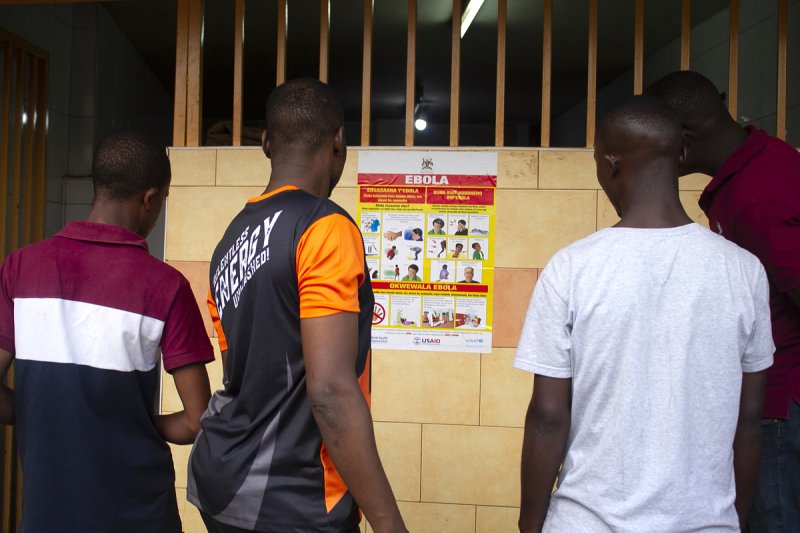
Recently, an outbreak of the Sudan virus has been detected, prompting swift action from health authorities and researchers. The outbreak has raised alarms due to the high mortality rate associated with the virus and the potential for rapid transmission in affected areas. In response, Uganda has taken decisive measures to contain the spread and mitigate the impact on its population.
Image: Sudan Virus Outbreak Response Team

Uganda's Groundbreaking Clinical Trials
In a significant move, Uganda has launched clinical trials to develop a vaccine specifically targeting the Sudan virus. According to GK Today, these trials represent a collaboration between Ugandan health authorities and international partners aimed at creating an effective preventive measure against SVD. This initiative not only demonstrates Uganda's commitment to safeguarding public health but also sets a precedent for future vaccine development efforts targeting other viral threats.
The clinical trials are being conducted in several phases, starting with safety assessments and progressing to efficacy evaluations. Researchers aim to determine the vaccine's ability to induce an immune response that could protect individuals from infection. This process involves rigorous testing and monitoring to ensure the vaccine's safety and effectiveness before it can be deployed for widespread use.
Challenges in Vaccine Development
Developing a vaccine for the Sudan virus poses several challenges. One of the primary obstacles is the virus's genetic variability, which can complicate efforts to create a universally effective vaccine. Additionally, the limited understanding of the virus's transmission dynamics and the logistical difficulties of conducting trials in outbreak settings add layers of complexity to the development process.
Another significant challenge is the need for rapid deployment and distribution of the vaccine once it is proven effective. Ensuring that the vaccine reaches populations at risk, particularly in remote and resource-limited areas, requires robust infrastructure and international cooperation.
The Role of International Collaboration
The fight against the Sudan virus and other emerging viral threats underscores the importance of international collaboration. Efforts to develop a vaccine for the Sudan virus involve partnerships between governments, research institutions, and global health organizations. Such collaborations facilitate the sharing of knowledge, resources, and expertise, accelerating the development process and increasing the likelihood of success.
The World Health Organization (WHO) and other global health bodies play a crucial role in coordinating these efforts, providing technical support, and mobilizing resources to address the outbreak effectively. International cooperation is essential not only for vaccine development but also for implementing comprehensive response strategies that include surveillance, case management, and community engagement.
Image: International Collaboration in Vaccine Development

Implications for Global Health
The development of a vaccine for the Sudan virus has far-reaching implications for global health. A successful vaccine could significantly reduce the mortality rate and prevent future outbreaks, providing a valuable tool in the fight against Ebola and similar viral diseases. Moreover, the lessons learned from these efforts can inform strategies for addressing other infectious diseases, enhancing global preparedness and response capabilities.
The Sudan virus outbreak also highlights the need for continued investment in research and development of medical countermeasures. As new viral threats emerge, the ability to rapidly develop and deploy vaccines and treatments is critical to protecting public health and preventing widespread outbreaks.
Conclusion
The Sudan virus outbreak and Uganda's innovative clinical trials represent a pivotal moment in the ongoing battle against viral diseases. While significant challenges remain, the progress made in vaccine development offers hope for a future where such outbreaks can be effectively controlled and their impact minimized. Through international collaboration and a commitment to scientific advancement, the global community can build a more resilient and prepared future, capable of confronting the ever-evolving landscape of infectious threats.
Image: Research and Development in Vaccine Innovation

As the world watches these developments unfold, the importance of vigilance, collaboration, and innovation in the field of public health becomes ever more apparent. The efforts of Uganda and its partners serve as a beacon of progress and a testament to the power of collective action in the face of global health challenges.